In today’s time, most of the affiliates and performance marketing programs are spending lots of time and their resources to find new partners for their programs. They are running multiple recruitment campaigns, attending various industry events, and offering attractive commission structures to attract the best affiliates.
But signing up a partner is only the initial step,
The real value only comes when the partner starts promoting your brands across different platforms, driving valuable traffic, generating quality leads, and conversions. But some affiliates never reach that stage. Some face delays in approvals, some are struggling with tracking setup, and some are facing information issues, like when to launch campaigns quickly.
As the affiliate program grows, these challenges become very hard to manage. What works for 20 partners may not work for 200 or even not for 2000. Approving requests manually, managing endless email threads, conducting compliance checks, and handling onboarding requests can quickly become difficult to manage, slowing partner activation and hindering program growth.
And this timing is very important because affiliate marketing is growing worldwide and has become the most effective channel for customer acquisition. According to Statista, affiliate marketing spending in the United States is expected to reach $12 billion in 2026, showing how important affiliate partnerships have become for customer acquisition and business growth.
In this article, you will learn more about :
- Why scalable partner onboarding matters
- Common onboarding challenges
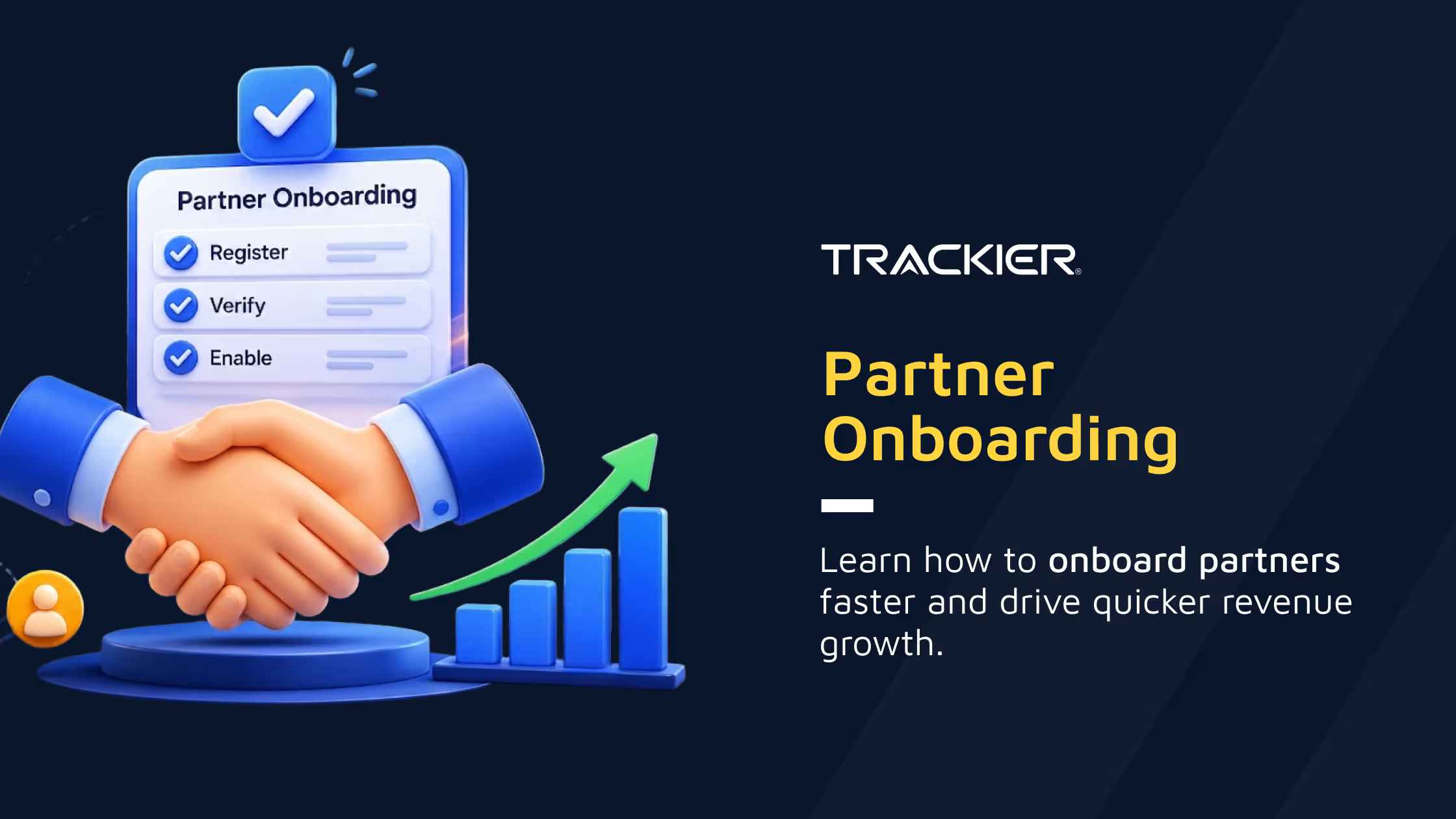
- A step-by-step framework to onboard partners efficiently
- How technology simplifies partner onboarding at scale
Why Partner Onboarding Matters More Than Recruitment
Many affiliate programs focus heavily on recruiting new partners, but recruitment alone doesn’t drive growth.
Bringing partners into your program is just the starting point. The real value is created when those partners become active, launch campaigns, and start generating traffic, conversions, and revenue.
While recruitment is about attracting affiliates, onboarding is about helping them succeed.
Without an effective onboarding process, even high-potential partners can struggle to get started. This often leads to:
- Inactive affiliates
- Tracking and attribution errors
- Compliance risks
- Lower campaign performance
- Missed revenue opportunities
A large partner network means little if affiliates are not actively promoting your brand.
The most successful affiliate programs treat onboarding as a growth strategy, not an administrative task. By helping partners get set up quickly, understand program requirements, and access the resources they need, brands can improve partner activation, boost retention, and drive stronger long-term results.
How to Build a Scalable Affiliate Onboarding Process
As the affiliate program grows, manually onboarding partners is becoming very challenging to manage. A process that is enough to handle 50 partners can quickly create delays and extra work when you’re onboarding hundreds or even thousands.
To scale successfully, businesses need a clear and repeatable onboarding process that helps partners get started quickly while ensuring compliance and consistency.
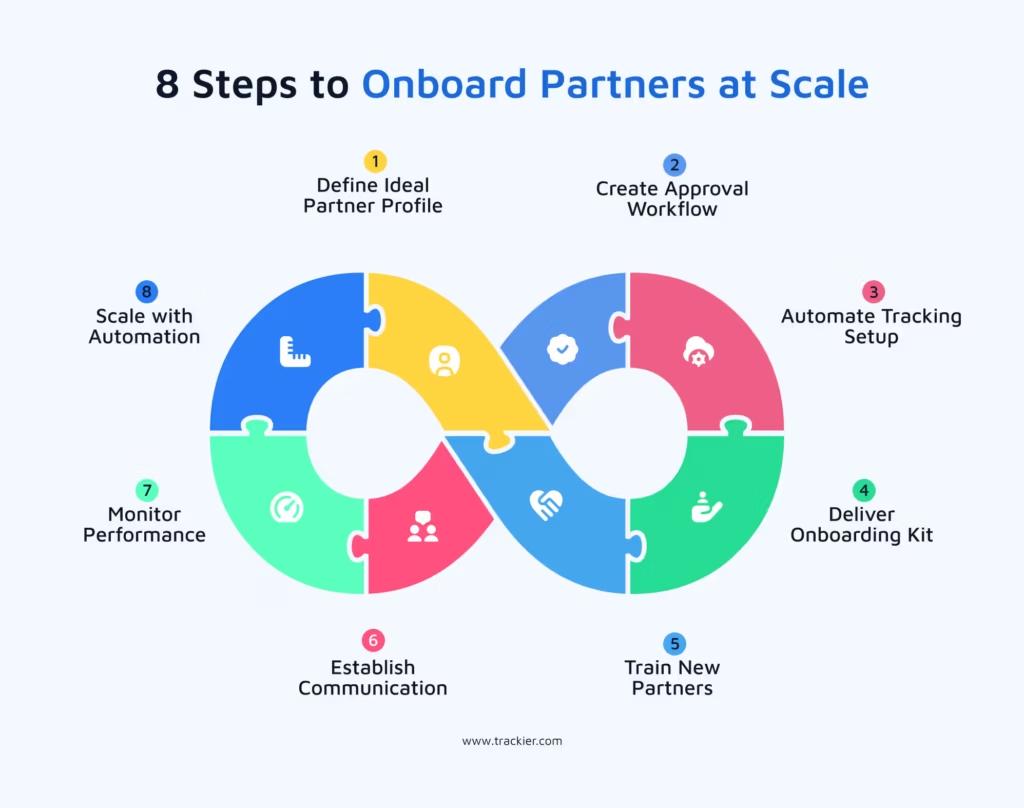
The following steps will help you create a partner onboarding process that is simple, efficient, and built for growth.
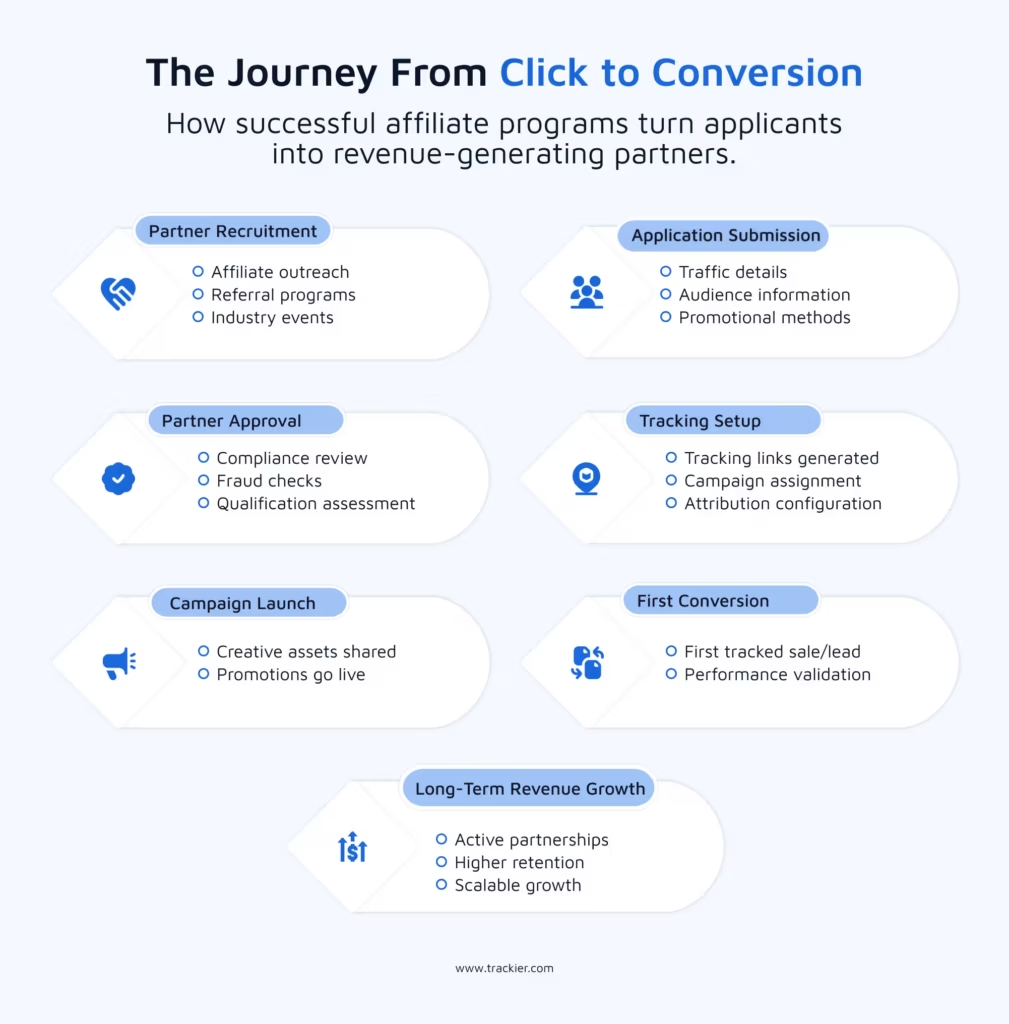
Step 1: Define Your Ideal Partner Profile
The foundation of a successful onboarding process starts long before a partner is approved.
Before you onboard partners at scale, you need to determine who actually belongs in your program. Many affiliate managers make the mistake of accepting every application in an effort to grow quickly. While this may increase partner numbers, it doesn’t necessarily increase performance.
The goal is not to recruit more affiliates. The goal is to recruit the right affiliates.
Creating a clear partner profile helps ensure that every approved affiliate has the potential to contribute meaningful traffic, conversions, and long-term value to your program.
When evaluating applicants, consider factors such as:
- Traffic Sources
Understand how potential partners acquire and engage audiences. This may include content websites, paid media campaigns, influencer marketing, email marketing, loyalty programs, cashback platforms, or comparison sites.
- Audience Quality
A large audience is valuable only if it aligns with your target market. Assess whether the affiliate’s audience matches the demographics, interests, and purchasing behavior of your ideal customer.
- Geographic Reach
If your business operates in specific regions or plans to expand into new markets, prioritize affiliates with strong regional expertise and audience coverage.
- Vertical Expertise
Affiliates with experience in your industry typically understand customer behavior, compliance requirements, and promotional best practices, allowing them to deliver results faster.
- Historical Performance
Where possible, review previous campaign performance, engagement metrics, and partnership history to identify affiliates with a proven track record.
Step 2: Create a Structured Application and Approval Workflow
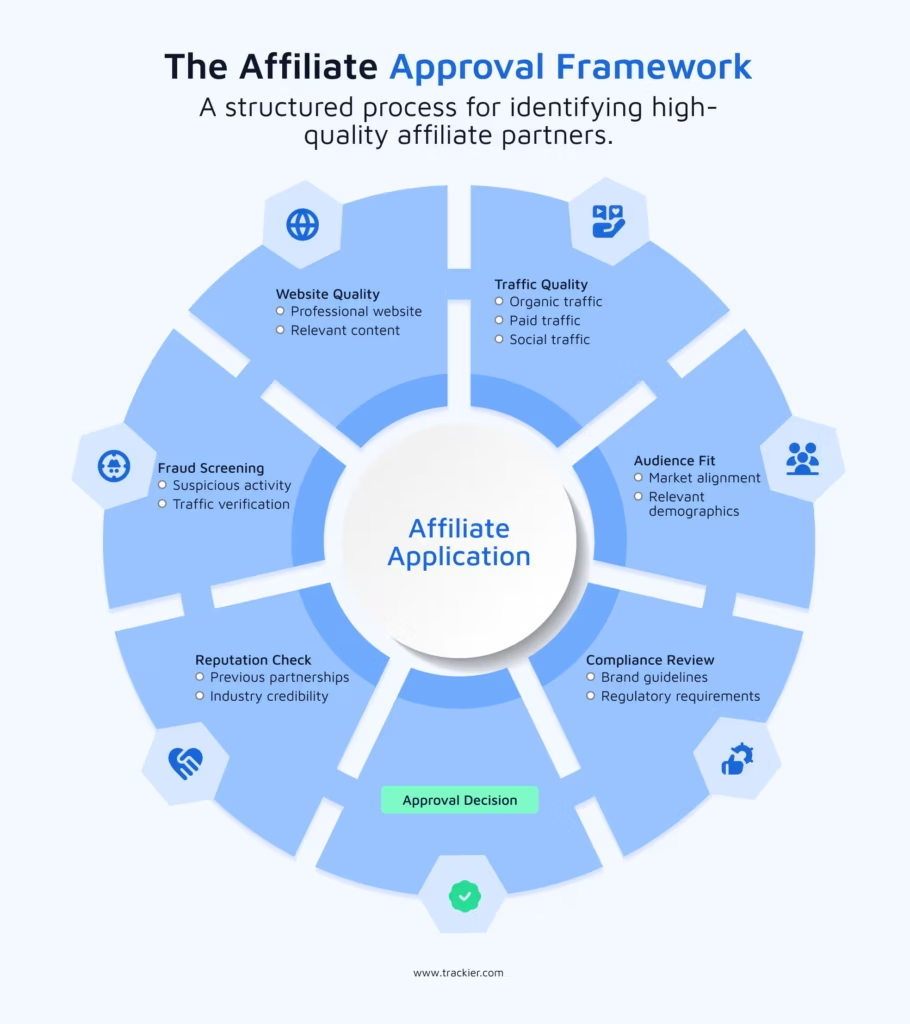
Once you’ve identified the type of affiliates you want to work with, the next step is creating a streamlined approval process.
As affiliate programs grow, application volumes can quickly become difficult to manage. Without a standardized workflow, approval decisions become inconsistent, compliance reviews get delayed, and promising partners may lose interest before they are even approved.
A structured workflow helps affiliate managers review applications efficiently while maintaining program quality and compliance standards.
- Collect the Right Partner Information
Your application process should capture enough information to help your team make informed approval decisions.
Key information includes:
- Website or app details
- Traffic sources
- Audience demographics
- Promotional methods
- Geographic markets served
The more relevant information you collect upfront, the faster you can qualify applicants and reduce back-and-forth communication.
- Conduct Risk and Compliance Reviews
Every affiliate represents your brand in some way. Before approval, it’s important to assess potential risks.
Review applicants for:
- Compliance requirements
- Brand safety concerns
- Fraud indicators
- Industry reputation
- Promotional practices
A thorough review process protects both your brand and your customers.
- Establish Clear Approval Criteria
One of the biggest mistakes affiliate programs make is relying on subjective approval decisions.
Instead, create a standardized qualification framework that clearly defines who gets approved, who requires additional review, and who should be rejected.
As your program grows, automation can further improve efficiency by automatically approving low-risk affiliates while routing higher-risk applications to your team for manual evaluation.
Step 3: Automate Tracking and Technical Setup
The period immediately after approval is where many affiliate programs lose momentum.
A partner may be excited to start promoting offers, but if they encounter technical hurdles, delayed access, or tracking issues, that enthusiasm quickly disappears.
The reality is simple: the faster affiliates can launch campaigns, the faster they can generate conversions.
This is why technical setup is one of the most important stages when you onboard partners.
Why Technical Friction Slows Partner Activation
Imagine onboarding hundreds of affiliates every month.
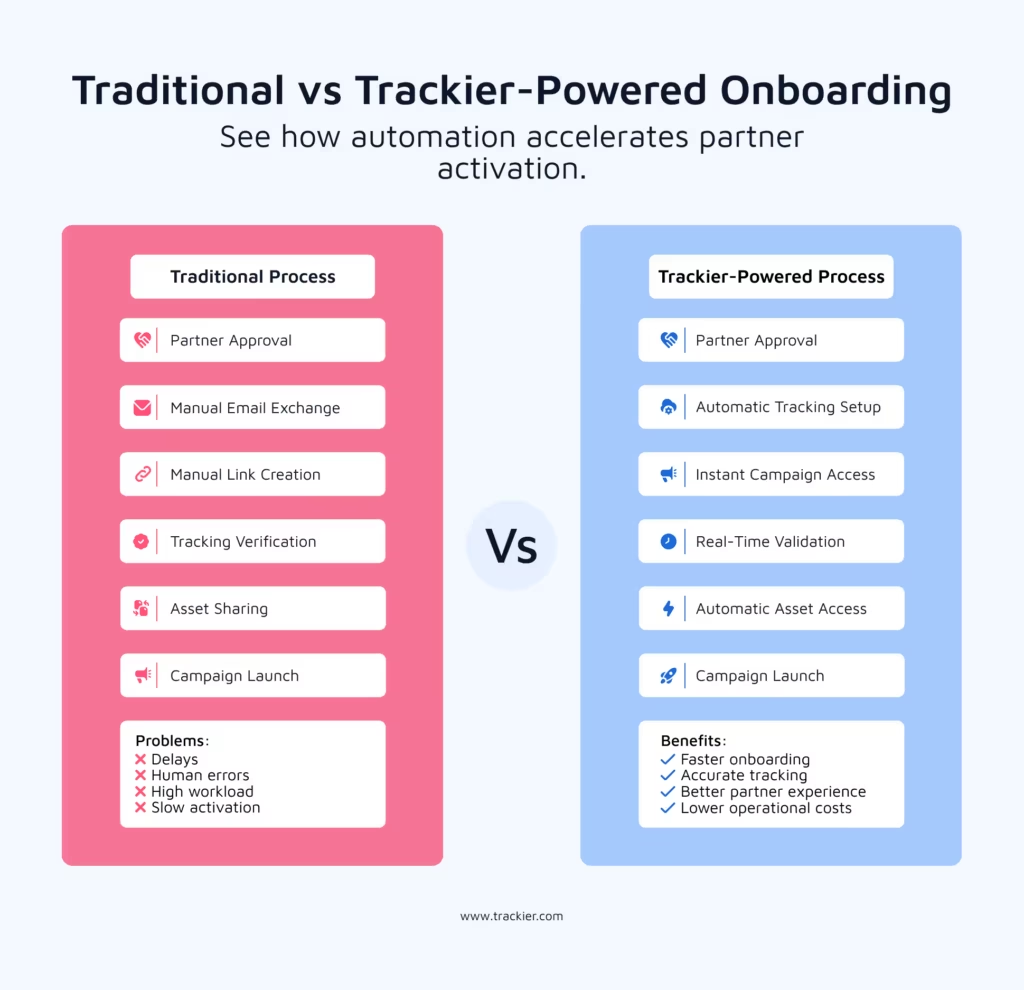
Manually creating tracking links, assigning campaigns, validating attribution settings, and sharing creative assets can quickly overwhelm affiliate managers.
Common onboarding bottlenecks include:
- Incorrect tracking links
- Delayed campaign access
- Attribution inconsistencies
- Missing conversion tracking
- Manual setup processes
Each additional step increases the risk of delays, frustration, and partner inactivity.
- Replace Manual Processes with Automation
As affiliate programs scale, manual workflows become increasingly difficult to manage.
Automation helps eliminate repetitive tasks while ensuring every partner receives a consistent onboarding experience.
By automating setup processes, businesses can reduce operational overhead and significantly improve activation rates.
How Trackier Simplifies Partner Onboarding
Trackier helps brands onboard partners faster by automating critical technical tasks that traditionally require significant manual effort.
- Instant Tracking Link Generation
Partners receive unique tracking links immediately after approval, eliminating delays and reducing setup errors.
- Centralized Campaign Access
Affiliates can instantly access campaigns, creatives, and promotional assets through a single platform, helping them launch faster.
- Accurate Attribution and Tracking
Trackier’s advanced tracking infrastructure ensures conversions are attributed correctly across devices, channels, and customer touchpoints.
- Reduced Administrative Work
By automating repetitive onboarding tasks, affiliate managers can spend less time on operations and more time supporting partner growth.
Step 4: Deliver a Comprehensive Partner Onboarding Kit
Getting a partner approved and technically set up doesn’t guarantee they’ll start promoting your offers immediately.
One of the biggest reasons affiliates remain inactive is uncertainty. They don’t know where to find campaign information, which assets to use, what promotional methods are allowed, or how tracking works.
This is where a well-designed onboarding kit becomes essential.
An onboarding kit serves as a central resource hub that equips partners with everything they need to launch campaigns confidently and efficiently. Instead of relying on multiple emails or support tickets, affiliates can access the information they need from day one.
What Should Your Onboarding Kit Include?
Every affiliate should receive a standardized package of resources, including:
- Welcome Guide
A welcome guide introduces partners to your program, explains key processes, and outlines the next steps required to get started.
- Campaign Guidelines
Provide clear instructions on campaign objectives, target audiences, approved promotional methods, and performance expectations.
- Tracking Instructions
Help affiliates understand how tracking works, where to access their links, and how conversions are attributed.
- Promotional Assets
Give partners immediate access to:
- Banners
- Landing pages
- Ad creatives
- Email templates
- Social media assets
- Compliance Documentation
Outline brand guidelines, advertising policies, disclosure requirements, and any industry-specific regulations affiliates must follow.
Step 5: Train Partners for Faster Activation
Even the most experienced affiliates need guidance when joining a new program.
Every advertiser has different offers, tracking methods, compliance requirements, and optimization strategies. Without proper training, affiliates often take longer to launch campaigns or fail to reach their full performance potential.
Training should not be viewed as a support function. It should be viewed as an investment in partner success.
Focus Training on What Matters Most
The goal isn’t to overwhelm affiliates with information. It’s to help them become productive as quickly as possible.
Training should cover:
- Campaign setup processes
- Tracking requirements
- Compliance expectations
- Creative best practices
- Performance optimization strategies
Effective Training Methods
- Video Tutorials
Use video training software to create short video walkthroughs help affiliates understand platform functionality and campaign setup much faster than written documentation.
- Knowledge Base
A searchable resource center allows partners to find answers independently without waiting for support.
- Dedicated Customer Support
Providing access to onboarding specialists or affiliate managers ensures partners can quickly resolve issues and maintain momentum.
Step 6: Establish Clear Communication Channels
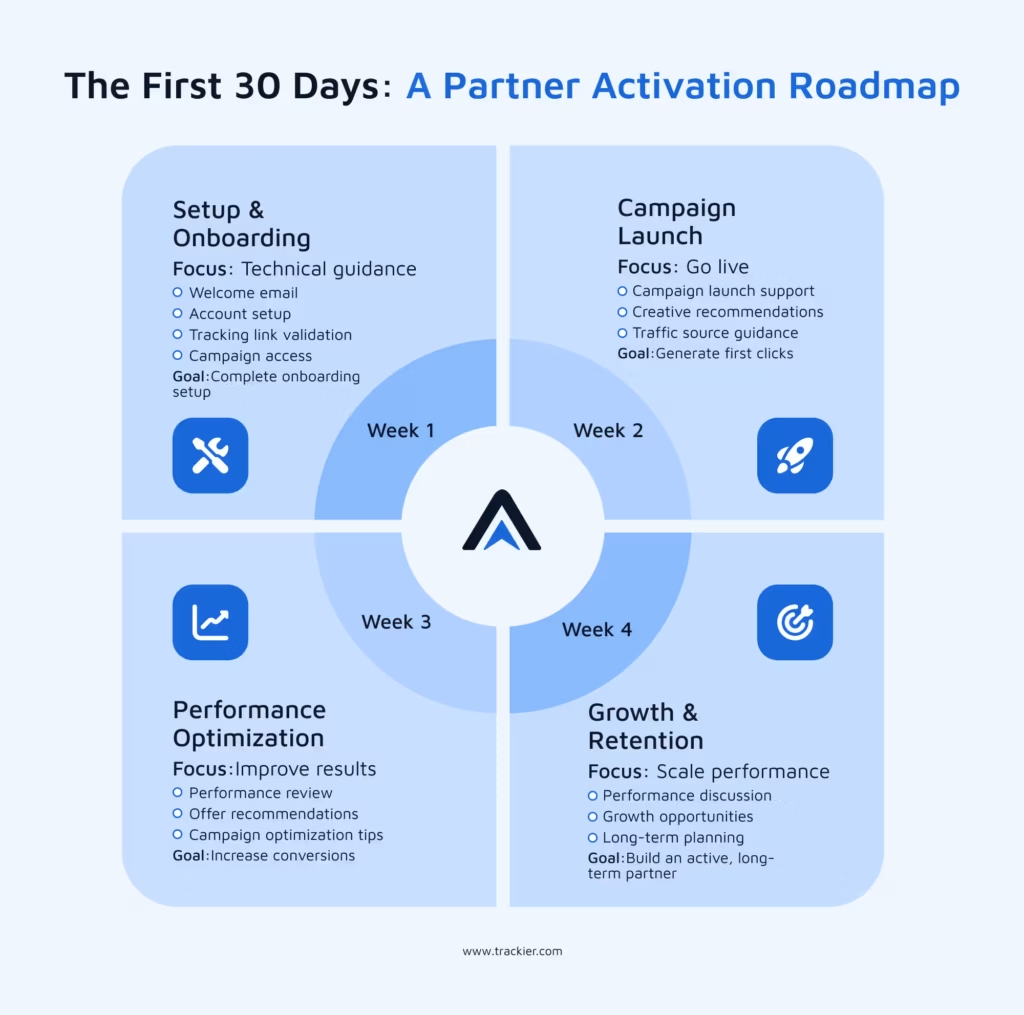
Onboarding doesn’t end when a partner launches their first campaign.
One of the biggest reasons affiliates become inactive is a lack of ongoing communication. Without regular engagement, even promising partners can lose interest, miss opportunities, or struggle to optimize performance.
Successful affiliate programs treat communication as an ongoing process rather than a one-time onboarding activity.
Build Multiple Communication Touchpoints
Affiliates should always know where to go for support, updates, and performance guidance.
Common communication channels include:
- Automated onboarding emails
- Partner newsletters
- Dedicated account managers
- In-platform messaging
- Community groups or forums
Step 7: Monitor Early Performance and Engagement
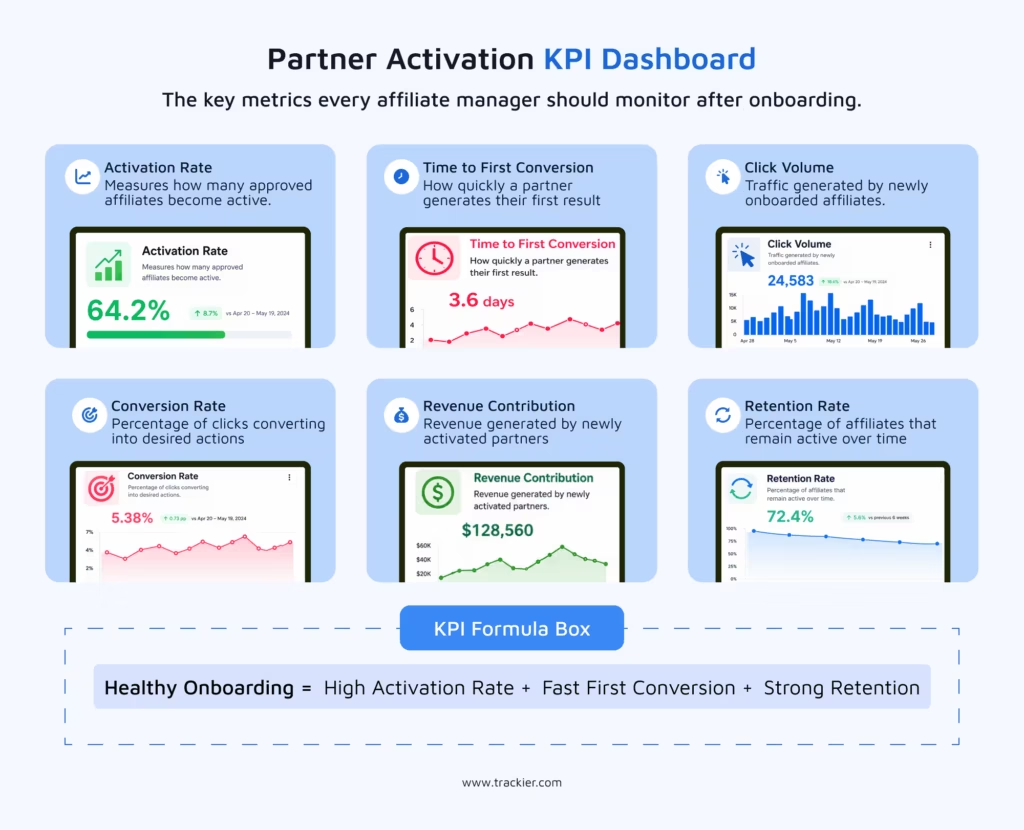
The first few weeks after onboarding often determine whether a partner becomes a long-term contributor or quietly disappears from your program.
This is why monitoring early performance is essential.
Rather than waiting months to evaluate affiliate performance, successful programs track engagement indicators from the beginning.
Key Metrics to Monitor
- First Conversion
How quickly does a partner generate their first successful conversion?
- Click Volume
Are affiliates actively driving traffic to your offers?
Is the traffic converting into meaningful business outcomes?
- Revenue Contribution
How much value is each newly onboarded partner generating?
Step 8: Scale Through Automation and Partner Management Platforms
Spreadsheets may work when managing a small affiliate program.
However, they quickly become inefficient as programs expand.
Why Spreadsheets Stop Working
As affiliate ecosystems grow, businesses face:
- Manual tracking processes
- Fragmented communication
- Compliance monitoring challenges
- Reporting delays
- Operational inefficiencies
Benefits of Automation
Modern partner management platforms provide:
- Faster approvals
- Centralized partner management
- Comprehensive tracking
- Real-time reporting
- Performance monitoring
Platforms like Trackier help businesses onboard partners, manage relationships, monitor performance, and optimize campaigns from a single dashboard.
The result is a scalable affiliate program that can grow without overwhelming internal teams.
Common Challenges When Onboarding Partners at Scale
Even with a well-defined onboarding process, scaling an affiliate or performance marketing program comes with its own set of challenges.
What works for onboarding 50 partners may not work when you’re managing hundreds or even thousands of affiliates across multiple markets. As partner volumes increase, manual processes become harder to manage, communication becomes more complex, and operational inefficiencies begin to impact activation rates.
Understanding these challenges is the first step toward building a more scalable onboarding strategy.
- Manual Verification Delays
As application volumes grow, manually reviewing every affiliate can quickly become a bottleneck.
Affiliate managers often need to evaluate traffic sources, promotional methods, compliance requirements, and brand fit before approving a partner. While these checks are important, relying entirely on manual reviews can significantly slow down the onboarding process.
Long approval times can frustrate applicants and reduce the likelihood of them actively promoting your offers once approved.
- Tracking Setup Errors
Accurate tracking is the foundation of every affiliate program.
However, when onboarding is handled manually, tracking setup mistakes becomes more common. Incorrect tracking links, attribution issues, or missing conversion tracking can lead to reporting discrepancies and lost revenue opportunities.
More importantly, tracking errors can damage partner confidence and create unnecessary support requests, making it harder to maintain strong affiliate relationships.
- Compliance and Fraud Risks
Every new affiliate introduces a level of risk.
Without proper onboarding controls, businesses may face issues such as unauthorized promotional methods, fraudulent traffic, misleading advertisements, or violations of regulatory requirements.
As partner networks expand, monitoring compliance manually becomes increasingly difficult. Failing to address these risks can impact brand reputation, customer trust, and overall program profitability.
- Lack of Communication and Partner Guidance
Many affiliates join programs with the intention of promoting offers, but never become active.
One of the most common reasons is a lack of communication during the onboarding phase. When partners don’t receive clear instructions, campaign recommendations, or timely support, they often struggle to understand what actions to take next.
Consistent communication is essential for keeping partners engaged and moving them toward their first conversion.
- Managing Global Partner Networks
Scaling internationally introduces an entirely new layer of complexity.
Affiliate managers must accommodate partners operating across different regions, languages, and regulatory environments. This often requires managing:
- Multiple currencies and payment structures
- Region-specific compliance requirements
- Diverse traffic sources and promotional methods
- Local market preferences and regulations
Without scalable systems and processes, managing global partner networks can quickly become overwhelming.
Conclusion
Successfully recruiting affiliates is only the first step in building a high-performing partner program. The real challenge lies in how efficiently you onboard partners and help them become active contributors.
As affiliate and performance marketing programs grow, manual onboarding processes often create bottlenecks that slow activation, increase operational workload, and impact partner experience. From defining the right partner profile and streamlining approvals to automating tracking setup and monitoring performance, every stage of onboarding plays a critical role in long-term success.
The most successful programs don’t leave onboarding to chance. They build structured, repeatable processes that reduce friction, improve compliance, and help partners launch campaigns faster.
As partner ecosystems continue to expand, businesses that invest in automation and scalable partner management solutions will be better positioned to activate affiliates quickly, maintain strong relationships, and drive sustainable revenue growth.
If you’re looking to onboard partners more efficiently, platforms like Trackier can help automate onboarding workflows, simplify tracking, streamline compliance management, and support partner growth from a single platform.
FAQs
1. Why is partner onboarding important in affiliate marketing?
Partner onboarding is important because it helps affiliates become active, compliant, and productive faster. A structured onboarding process reduces setup delays, improves partner engagement, and increases the likelihood of generating conversions and long-term revenue.
2. What is the biggest challenge when onboarding partners at scale?
One of the biggest challenges is managing large volumes of partners without creating bottlenecks. Manual approvals, tracking setup errors, compliance reviews, and communication gaps can slow activation and make it difficult to scale efficiently.
3. How can businesses onboard partners faster?
Businesses can onboard partners faster by automating repetitive tasks such as application reviews, tracking link generation, campaign access, and reporting. Providing clear onboarding resources and training also helps partners launch campaigns more quickly.
4. What should be included in a partner onboarding kit?
A partner onboarding kit should include a welcome guide, campaign guidelines, tracking instructions, promotional assets, and compliance documentation. These resources help affiliates understand program requirements and start promoting offers with confidence.
5. How does Trackier help businesses onboard partners at scale?
Trackier helps businesses onboard partners by automating key onboarding processes, including partner approvals, tracking setup, campaign access, attribution management, and performance monitoring. This reduces manual workload, improves partner activation, and supports scalable program growth.