Customers don’t stay on one platform anymore, they find brands on social media, compare options on search, read reviews, and buy through apps or websites. This change is why multi channel marketing has become essential for modern brands.
Multi channel marketing helps make businesses visible across multiple platforms where customers already spend time. Brands using multi channel often see better engagement and higher conversions because they show up consistently during the buying journey.
Managing multiple channels requires strong data tracking and coordination. This is where performance marketing software can support campaign measurement and attribution across channels.
When done right, this marketing strategy helps brands stay relevant, improve customer experience, and drive steady revenue growth.
What is Multi Channel Marketing?
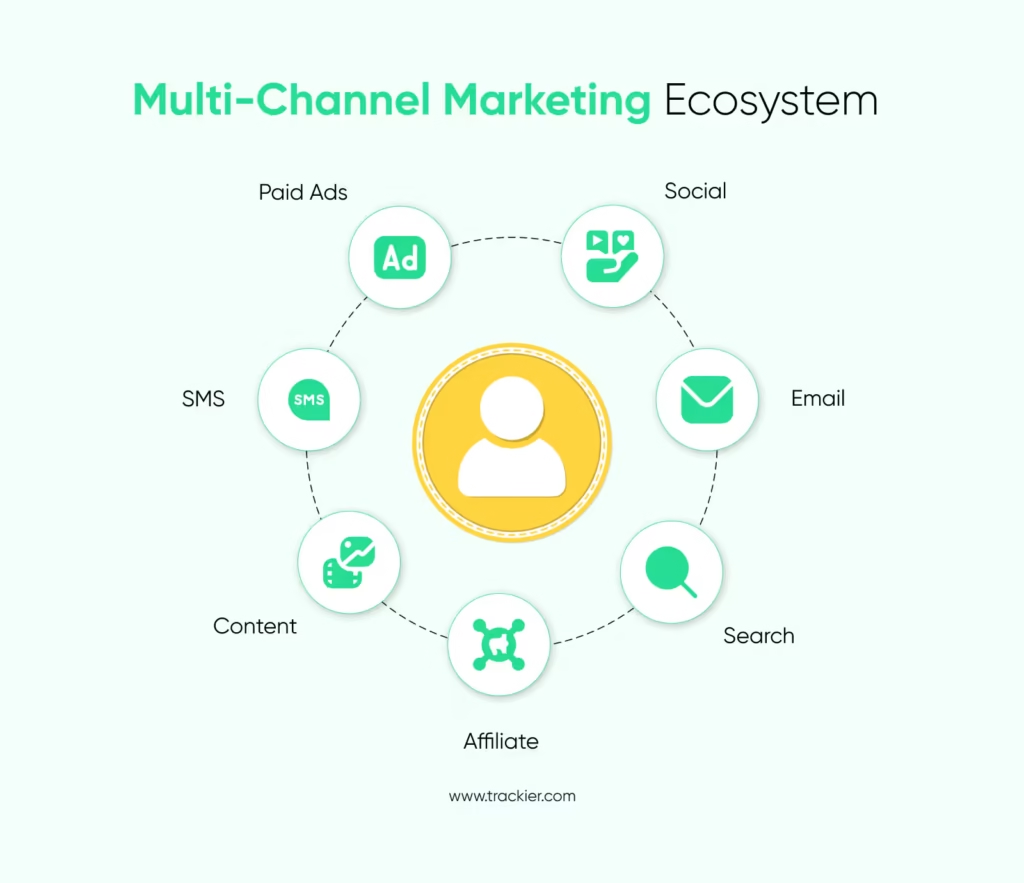
Multi channel marketing is the practice of marketing your brand on different channels so that customers can access you from different locations. These channels can include social media, search engines, email, websites, mobile apps, marketplaces, and even offline touchpoints like stores or events.
A successful campaign is all about reaching customers where they already are. Instead of using a single channel, brands use multi channel campaigns to give customers multiple points of entry into the buying process.
For example, a customer may view an ad on instagram, search for reviews on Google, receive an email offer later, and finally purchase through a website. Multi channel marketing understands this natural customer behavior.
Brands that invest in automation can manage messaging, targeting, and timing across channels without an human intervention. This improves consistency and reduces campaign gaps.
Why Multi Channel Marketing Matters for Businesses
Customers rarely interact with a brand on one platform before making a decision. People discover products on social media, research on search engines, read reviews, and then convert through email or direct website visits. Multi channel marketing strategy helps brands stay visible across this journey.
Customer journeys are no longer linear
Multi channel marketing helps businesses stay present at multiple stages of decision-making. A user might first see a product through a campaign on social media and later return through search or remarketing.
Competition is spread across platforms
If competitors are active across channels and a brand is not, visibility drops. Multi channel marketing ensures businesses do not lose potential customers simply because they were absent on a preferred platform.
Buying decisions depend on repeated exposure
Customers may require multiple touchpoints before conversion. Multi channel marketing assists in frequent yet non-intrusive brand exposure.
Data-driven decisions become easier
Multi channel marketing automation tools help track customer movement across platforms. This helps teams understand which channels drive awareness, engagement, and revenue.
Supports long-term brand building and short-term conversions
Multi channel content marketing helps brands educate, nurture, and convert customers across different stages of the funnel.
Core Components of a Multi Channel Marketing Strategy
A successful multi channel marketing strategy is based on a few core elements that ensure smooth execution of marketing campaigns across platforms.
1. Audience Segmentation
Multi channel marketing beigns with understanding various audience segments. Audience segmentation based on behaviour, demographics, or purchase stage helps improve campaign performance.
2. Channel Selection
Not every channel works for every business. A strong multi channel marketing strategy focuses on platforms where target users are most active. This improves efficiency and reduces wasted spend.
3. Consistent Brand Messaging
Multi channel marketing works best when messaging stays consistent across platforms. The format can change, but the core message should stay aligned.
4. Content Adaptation for Each Channel
Multi channel content marketing should be customised. Social media needs short and visual content, email needs more context and search content needs intent-based messaging.
5. Data Tracking and Attribution
Multi channel marketing automation tools help track performance across channels. This helps teams understand which channels contribute to conversions and engagement.
6. Automation and Personalisation
Marketing automation helps deliver the right message at the right time. Personalised campaigns improve engagement and conversion rates.
7. Testing and Optimisation
Multi channel marketing requires continuous testing. Testing creatives, messaging, and channel mix helps improve campaign performance over time.
How to Build a Multi Channel Marketing Strategy
The creation of a multi channel marketing strategy can be a complicated process that involves planning, testing, and optimization. The strategy will be most effective if each individual marketing channel is working towards the same end goal, as opposed to being different marketing channels.
Step 1. Define Clear Business and Marketing Goals
Start your multi channel marketing strategy with clear goals. These could be brand awareness, lead generation, app installs, or revenue growth. Clear goals help decide channel mix, budget allocation, and campaign structure.
Step 2. Understand Your Audience Behaviour
Multi channel marketing depends heavily on knowing where users spend time. Analyse customer data, platform usage, and purchase behaviour. This helps prioritise channels that drive meaningful engagement.
Step 3. Select the Right Channel Mix
A good multi channel marketing campaign usually includes a mix of paid, owned, and earned channels. Examples include social media, search ads, email marketing, affiliate partnerships, and content platforms.
Step 4. Create Channel-Specific Content
Multi channel content marketing should adapt to platform behaviour. The same message can be repurposed, but format and tone should change based on channel expectations.
Step 5. Set Up Tracking and Measurement
Multi channel marketing requires strong tracking. Setting up analytics and marketing automation tools helps measure channel performance, attribution, and conversion paths.
Step 6. Automate Where Possible
Multi channel marketing automation helps grow campaigns. Automated email flows, retargeting sequences, and lifecycle campaigns improve efficiency and consistency.
Step 7. Test & Optimise
Marketing performance improves with testing. Test creatives, messaging, audience segments, and channel combinations to improve ROI.
Step 8. Align Teams and Processes
Multi channel needs collaboration across marketing, product, and analytics teams. Alignment ensures campaigns run smoothly and data is shared across teams.
Multi Channel Marketing Channels That Drive Results
Multi channel marketing works best when businesses focus on platforms that match audience behaviour, content format, and buying intent.
1. Social Media Marketing
Multi channel marketing campaigns rely heavily on social media because of high engagement and discovery potential. Platforms help brands build awareness, run ads, and drive website traffic. Social also supports multi channel content marketing through short videos, posts, and creator collaborations.
2. Search Marketing (Organic + Paid)
Search is a high-intent channel in multi channel marketing. Users searching for products or solutions are closer to conversion. This strategy usually combines SEO content with paid search campaigns for better visibility. In B2B and tech markets, integrating saas seo ensures your content targets product-led, solution-focused queries that attract qualified leads ready to evaluate and purchase.
3. Email Marketing
Email plays a big role in multi channel marketing automation. It helps nurture leads, bring repeat purchases, and support retention. Email especially works for lifecycle-based marketing campaigns.
4. Content Marketing
Multi channel content marketing enables brands to educate and position themselves as an authority in front of their audience. Blogs, guides, and videos help attract organic traffic and support other marketing channels.
5. Affiliate and Partnership Marketing
Affiliate partnerships expand reach in multi channel marketing strategies. Partners help drive traffic and conversions from new audience segments.
6. Paid Advertising (Display, Native, Programmatic)
Paid ads help campaigns grow quickly. These channels help brands reach new users and support retargeting strategies.
7. SMS and Push Notifications
These channels support real-time engagement in multi channel marketing. They work well for time-sensitive campaigns, offers, and retention messaging.
8. Influencer and Creator Marketing
Influencers support multi channel marketing by building trust and awareness through community-driven content.
Multi Channel Marketing Campaign Planning
Good planning ensures marketing efforts stay aligned with business goals, budgets, and timelines.
1. Define Campaign Objective
Every multi channel marketing campaign should start with one clear objective. This could be a product launch, lead generation, seasonal sales, or customer retention. These clear goals help shape messaging and channel selection.
2. Map Customer Journey
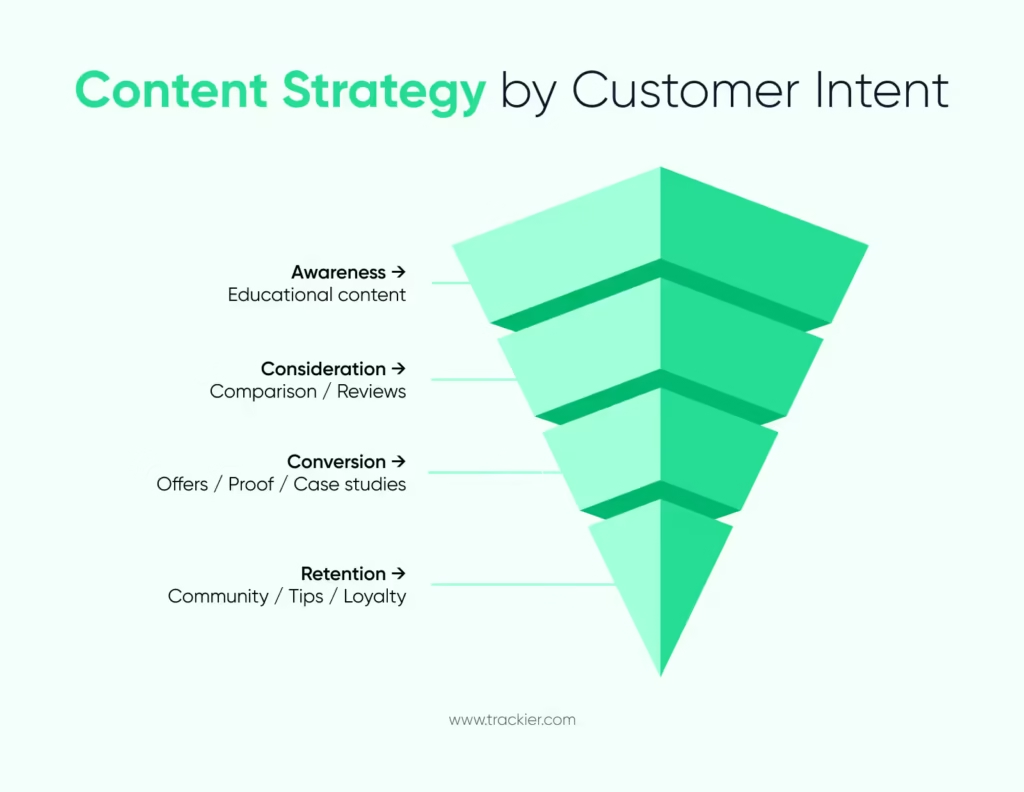
The planning should include where customers first discover the brand and where they usually convert. Mapping this helps decide which channels support awareness, consideration, and conversion stages.
3. Decide Channel Roles
Each platform should have a defined role in the multi channel marketing campaign. Social media may drive awareness, search may capture demand, and email may help with nurturing and conversion.
4. Create Channel-Wise Content Plan
Multi channel content marketing works better when content is planned per platform. Content formats, frequency, and messaging should match platform behaviour.
5. Set Budget Allocation
Marketing budgets should be split based on channel performance potential. High-performing channels usually get higher allocation, while new channels get test budgets.
6. Set Campaign Timeline
Multi channel marketing campaigns need clear timelines. Launch dates, content publishing schedules, and optimisation checkpoints help teams stay aligned.
7. Set Measurement Metrics
Every marketing campaign should have defined KPIs. These can include traffic, engagement rate, lead quality, CAC, or ROAS.
8. Prepare Optimisation Plan
Multi channel marketing campaign planning should include backup plans. If one channel underperforms, teams should know where to shift budget or adjust messaging.
Multi Channel Marketing Automation
Marketing automation helps marketing campaigns to succeed. But not every campaign or touchpoint should be automated.
When Marketing Automation Makes Sense
- High Volume Campaigns: Multi channel marketing automation works well for campaigns running across large audiences.
- Lifecycle Journeys: Automation here is useful for onboarding, nurture, and retention flows.
- Behaviour-Based Targeting: Marketing automation works best when campaigns depend on user actions.
- Cross-Channel Retargeting: Multi channel marketing automation helps maintain message continuity across platforms.
When Marketing Automation Should Be Limited
- New Product Launch Messaging: Manual marketing is helpful when there is a need to change messaging quickly.
- High-Ticket or Relationship-Based Sales: Marketing automation in this area may come across as less personal.
- Early Testing Phase: Manual marketing campaigns are helpful when there is a need to understand actual user behavior before automating.
- Highly Personal Brand Campaigns: Some marketing campaigns may perform better when handled manually.
Multi Channel Content Marketing
Multi channel marketing becomes stronger when content is planned based on how users consume content on different platforms.
1. Channel-Specific Content Formats
Multi channel content marketing works best when content is customised.
Examples:
- Social media – Short videos, carousels, short captions
- Email – Detailed messaging, offers, product education
- Blog – SEO-driven long-form content
- YouTube or video platforms – Tutorials, product demos, explainers
2. Content Repurposing Strategy
Multi channel content marketing should reuse ideas, not copy-paste content.
Example:
Blog > LinkedIn post > Email newsletter > Short video > Social carousel
The short video stage in particular relies on a video editor software that resizes, captions, and re-cuts the same footage for each network without rebuilding the edit from scratch.
3. Intent-Based Content Distribution
Multi channel content marketing should match user intent.
- Awareness – Educational content
- Consideration – Comparison, reviews
- Conversion – Offers, product benefits
4. Content Consistency Across Channels
Multi channel content marketing should maintain consistent messaging and brand voice across platforms.
5. Performance-Based Content Optimisation
The campaign should track which content format performs best on each platform and optimise based on data.
6. Content Calendar Alignment
Content marketing works better when content calendars are aligned across teams and channels.
Multi Channel Marketing Examples
Multi channel marketing examples help explain how brands use multiple platforms together to drive engagement and conversions.
Example 1. E-commerce Product Launch Campaign
A marketing campaign for a product launch can include:
- Social media ads for awareness
- Influencer collaborations for trust building
- Email campaigns for existing users
- Search ads for high-intent buyers
- Retargeting ads for website visitors
Example 2. SaaS Lead Generation Campaign
A multi channel marketing strategy for SaaS can include:
- SEO blogs to attract organic traffic
- LinkedIn ads to target decision-makers
- Evergreen webinar campaigns for lead education
- Email nurture sequences for conversion
- Retargeting ads for demo page visitors
Example 3. Retail Seasonal Sale Campaign
A campaign for seasonal sales can include:
- SMS for time-sensitive offers
- Push notifications for app users
- Email campaigns for loyalty users
- Social ads for new audience reach
- Display retargeting for abandoned sessions
Example 4. Content-Driven Brand Awareness Campaign
A multi channel marketing strategy focused on brand building can include:
- Blog content for organic discovery
- YouTube videos for education
- Social content for engagement
- PR mentions for credibility
- Email newsletters for retention
Example 5. Mobile App User Acquisition Campaign
A campaign for app growth can include:
- Paid social ads for installs
- App store optimisation for organic installs
- Influencer content for discovery
- Email campaigns for inactive users
- Push notifications for retention
Metrics That Matter in Multi Channel Marketing
Multi channel marketing works best when teams track metrics that show how channels contribute to real business outcomes, not just surface-level engagement.

1. Customer Acquisition Cost (CAC)
Multi channel marketing should track the cost to acquire a customer across all channels combined. This helps understand true campaign efficiency.
2. Conversion Rate by Channel
Multi channel marketing performance should be measured by how each channel contributes to conversions. This helps optimise budget allocation.
3. Return on Ad Spend (ROAS)
Marketing campaigns should measure revenue generated compared to ad spend across channels.
4. Customer Lifetime Value (CLV or LTV)
Multi channel campaigns should track long-term revenue generated from customers acquired through different channels.
5. Attribution Contribution
Campaigns should measure how each channel supports the conversion journey, not just last-click conversions.
6. Engagement Metrics by Channel
Multi channel marketing should track engagement metrics like click-through rate, session time, and repeat visits across channels.
7. Retention and Repeat Purchase Rate
Marketing success is not just acquisition. Retention metrics help measure long-term channel effectiveness.
8. Channel-Assisted Conversions
Multi channel marketing should track how channels assist conversions, even if they are not the final touchpoint.
Tools Used in Multi Channel Marketing
Multi channel marketing requires tools that help manage campaigns, track performance, and automate workflows across platforms. The right marketing stack helps teams reduce manual work and improve campaign visibility.
1. Customer Relationship Management (CRM) Tools
Multi channel marketing often depends on CRM platforms to manage customer data, segmentation, and lifecycle communication.
These tools, like Hubspot or Salesforce, help marketing teams track customer interactions across email, website, and sales touchpoints.
2. Analytics and Tracking Tools
Multi channel marketing performance depends heavily on data visibility across channels.
Google Analytics ecosystem helps track traffic sources, user behaviour, and conversion journeys across channels.
3. Marketing Automation Platforms
Marketing automation tools help run email workflows, lead nurturing, and trigger-based campaigns.
Marketo and Mailchimp are a few marketing tools that help teams automate repetitive campaign tasks.
4. Advertising and Campaign Management Platforms
Multi channel marketing campaigns often rely on ad platforms to reach audiences across search, social, and display.
Meta and Google Ads help scale multi channel campaigns quickly.
5. Customer Data Platforms (CDPs)
Multi channel marketing becomes stronger when customer data from different sources is unified.
Tools like Segment and Tealium can help teams create unified customer profiles.
6. Content and Social Media Management Tools
Multi channel content marketing requires tools that help schedule, publish, and track content performance.
Tools like Hootsuite & Buffer help maintain consistency across multi channel marketing campaigns.
7. Performance and Attribution Platforms
Multi channel marketing needs strong attribution to understand which channels, partners, or campaigns bring conversions. Performance and attribution platforms help track user journeys across channels and improve decision-making.
Trackier helps businesses track conversions across affiliates, partners, and performance channels while giving visibility into channel contribution and ROI.
Common Challenges in Multi Channel Marketing
Multi channel marketing helps businesses reach customers across platforms, but it also comes with operational and strategic challenges. Marketing becomes difficult when channels, data, and messaging are not aligned.
1. Data Silos Across Channels
Marketing data often stays in different tools. This makes it difficult to get a complete view of customer behaviour and channel contribution.
2. Inconsistent Brand Messaging
Multi channel marketing can fail when messaging changes too much across platforms. Different formats are fine, but the core message should stay consistent.
3. Attribution Complexity
Multi channel makes attribution harder because customers interact with multiple touchpoints before conversion. This makes it difficult to identify which channel actually influenced the decision.
4. Resource and Team Coordination Issues
Multi channel marketing requires coordination between content, paid media, analytics, and product teams. Lack of coordination can slow execution.
5. Budget Allocation Challenges
Multi channel marketing requires continuous budget optimisation. Over-investing in one channel can reduce overall campaign efficiency.
6. Over-Automation Risk
Marketing automation can sometimes reduce personalisation quality if too many workflows are triggered at once.
7. Content Fatigue Across Channels
Multi channel content marketing can lead to repetitive messaging if the content is not adapted for each platform.
8. Tool Stack Complexity
Multi channel marketing often requires multiple tools. Managing integrations, data syncing, and reporting can become complex.
9. Measuring True ROI
Multi channel marketing success is difficult to measure if teams focus only on last-click metrics instead of the full customer journey impact.
Conclusion
Multi channel marketing has become a core part of modern marketing strategies because customers no longer interact with brands on a single platform. A strong marketing approach helps businesses stay visible across discovery, consideration, and conversion stages while building long-term customer relationships.
The most successful multi channel marketing strategies focus on the right channel mix, consistent messaging, data tracking, and continuous optimisation. Businesses that treat multi channel as a connected ecosystem usually see better engagement, stronger conversions, and more reliable performance insights.
FAQs
What is an example of a multichannel?
A multichannel example is a retail brand promoting a product through social media ads, email campaigns, search ads, and website banners at the same time. Each channel works independently but supports the same campaign goal. Multichannel marketing helps brands increase reach, capture users at different stages, and improve overall campaign visibility across multiple platforms.
What is the difference between multichannel and omnichannel?
Multichannel marketing uses multiple platforms to reach customers, but each channel often works separately. Omnichannel marketing connects all channels to create one seamless customer experience. In multichannel marketing, messaging may differ across platforms. In omnichannel marketing, customer data and messaging stay consistent across channels, making the experience feel unified and continuous across touchpoints.
What is the 3 3 3 rule in marketing?
The 3 3 3 rule in marketing usually refers to engaging customers within three seconds of attention, communicating three key value points, and guiding them toward three clear actions. It helps simplify messaging and improve campaign clarity. This rule is often used in ads, landing pages, and content to improve engagement and conversion rates.
What are the 4 types of marketing channels?
The four main types of marketing channels are paid channels, owned channels, earned channels, and shared channels. Paid channels include ads and sponsored placements. Owned channels include websites, apps, and email lists. Earned channels include PR and organic mentions. Shared channels include social media platforms where brands and users both create and distribute content.