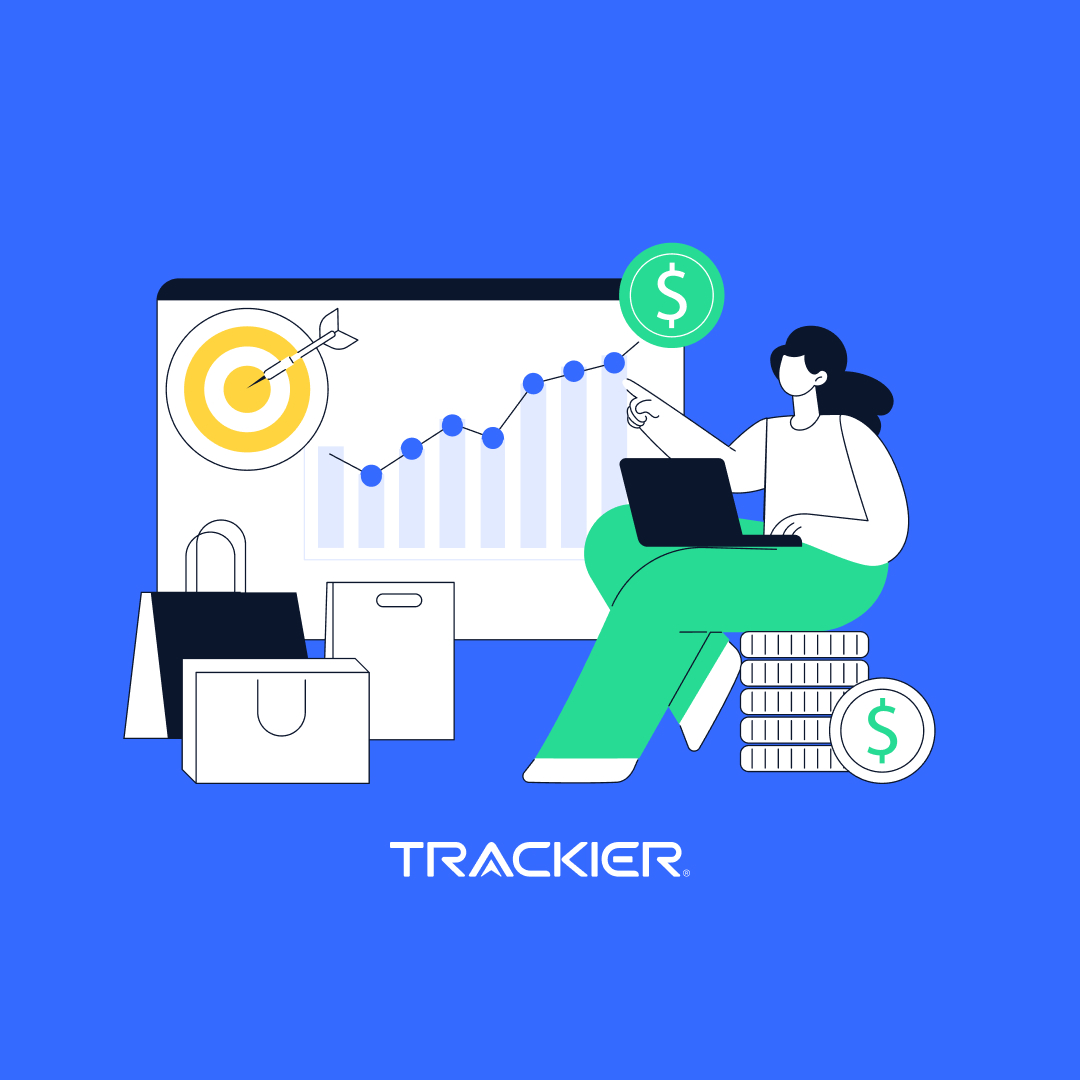
Marketing performance doesn’t break because teams lack effort or ambition. It breaks when visibility fails to keep up with speed. Smarter tracking becomes essential as campaigns grow more complex and decisions become more time-sensitive, shaping how effectively impact is created, measured, and sustained.
When Execution Is Fast but Understanding Is Slow
Campaigns go live in minutes. Budgets scale overnight. Channels multiply without friction. Yet performance decisions often lag because tracking hasn’t kept pace with execution.
Smarter tracking closes this gap. It brings structure to fast-moving marketing by ensuring every action, outcome, and conversion is traceable with intent. Instead of reacting to results after the fact, teams gain the ability to understand performance as it unfolds.
This gap typically shows up when:
- Campaign data is scattered across platforms with no unified view
- Performance lives in silos, forcing teams to jump between dashboards and spreadsheets. Without a single source of truth, it becomes difficult to compare channels, spot patterns, or understand overall impact.
- Attribution delays slow down optimisation and decision-making
- When conversion data arrives late or inconsistently, teams optimise based on outdated signals. By the time insights surface, budgets may already be locked into underperforming paths.
- High-performing channels are masked by incomplete tracking logic
- Channels that influence conversions earlier in the journey often get undervalued. Without smarter attribution, discovery, and assist-driven touchpoints fail to receive the credit they deserve.
- Teams rely on assumptions instead of validated performance signals
- Gut instinct replaces evidence when tracking lacks depth or accuracy. Decisions start leaning on what “usually works” rather than what is actually driving results in real time.
- Scaling happens faster than measurement frameworks can support
- As new campaigns, regions, and partners are added, tracking setups fail to evolve. This creates blind spots at scale, where growth continues but visibility steadily declines.
By addressing these breakdowns early, smarter tracking turns complexity into clarity and speed into sustained impact.
Smarter Tracking Is About Precision, Not Volume
More tracking does not automatically mean better insights. In fact, excessive or poorly structured tracking often creates confusion. Smarter tracking focuses on:
Defining what needs to be measured before collecting data
- Effective tracking starts with intent, not tools. Instead of capturing every possible metric, smarter tracking begins by identifying the signals that directly influence business outcomes. This means aligning measurement with objectives such as growth efficiency, partner quality, or conversion reliability. By defining success upfront, teams avoid noisy datasets and ensure every data point collected has a clear purpose and decision attached to it.
Maintaining accuracy across every source and touchpoint
- As campaigns span multiple platforms, devices, and user interactions, data accuracy becomes harder to maintain and easier to compromise. Smarter tracking prioritizes validation at every step, ensuring events are captured correctly, duplicates are eliminated, and attribution remains reliable across channels. This accuracy builds confidence in performance insights and prevents optimisation decisions from being based on flawed or incomplete data.
Ensuring consistency in how performance is evaluated
- Inconsistent metrics lead to inconsistent decisions. Smarter tracking standardizes how performance is measured and reported, so results can be compared meaningfully across campaigns, regions, and timeframes. When every team interprets data through the same framework, insights become scalable and repeatable, enabling faster collaboration and more confident decision-making.
This precision makes insights reliable and decisions repeatable.
The Cost of Guesswork in Performance Marketing
When attribution is unclear, optimization becomes speculation. Teams scale what looks good on the surface while high-impact channels remain underutilized. Smarter tracking eliminates guesswork by showing:
Where conversions actually originate
- Conversions are rarely the result of a single interaction. Smarter tracking looks beyond the final click to reveal the full sequence of actions that led a user to convert. By mapping touchpoints across the journey, teams gain a clearer understanding of which channels initiate interest, which build consideration, and which ultimately close. This clarity prevents misattribution and ensures credit is assigned based on real influence rather than proximity to conversion.
How different channels influence outcomes over time
- Not every channel performs the same role at every stage. Some drive early awareness, others support retargeting, and a few consistently convert high-intent users. Smarter tracking evaluates channel performance over time, identifying patterns in how users move between touchpoints. This long-term view helps teams understand momentum, not just momentary spikes, enabling more strategic planning and sustained optimisation.
Which efforts deserve increased investment
- When performance is measured accurately, scaling decisions become far more confident. Smarter tracking highlights efforts that deliver consistent, incremental value rather than short-lived wins. It allows teams to separate channels that look efficient from those that actually contribute to growth. With this insight, investment shifts from experimentation-heavy spending to informed scaling, maximising impact while controlling risk.
This clarity directly translates into stronger ROI and smarter growth.
Tracking Built for Real-World User Behavior
Users do not convert in straight lines. They interact across platforms, devices, and timeframes. Traditional tracking models often break under this complexity.
Smarter tracking is designed to handle non-linear journeys. It connects fragmented interactions into a cohesive performance story, allowing marketers to evaluate impact based on how users truly behave, not how models assume they should.
Turning Performance Data Into Direction
Reporting alone does not create value. Action does. Smarter tracking transforms performance data into direction by making insights accessible, comparable, and decision-ready. Teams can identify patterns early, validate experiments faster, and scale what works without delay. This allows them to move from passive observation to intentional decision-making.
Smarter tracking enables this shift by focusing on:
Making insights usable, not just visible
– Dashboards filled with charts often look impressive but fail to guide action. Smarter tracking prioritises usability by presenting data in a way that highlights what needs attention, what is changing, and why it matters. When insights are structured around decisions rather than metrics, teams spend less time interpreting data and more time acting on it.
Identifying patterns before they become performance problems
– Most performance drops are not sudden. They develop gradually through small shifts in user behaviour, channel efficiency, or conversion flow. Smarter tracking helps teams detect these early signals by analysing trends across time, channels, and cohorts. This early visibility allows for corrective action before issues scale into budget or revenue losses.
Validating experiments with confidence and speed
– Testing is only effective when results are trustworthy. Smarter tracking ensures experiments are measured consistently and accurately, removing ambiguity from outcomes. Teams can quickly determine whether a change improved performance, had no impact, or introduced new friction. This shortens learning cycles and encourages more informed experimentation.
Prioritising actions based on real impact
– Not all performance changes deserve the same response. Smarter tracking helps teams distinguish between noise and meaningful shifts by quantifying true impact. This allows decision-makers to focus on adjustments that drive measurable gains rather than reacting to every fluctuation, leading to more disciplined and effective optimisation.
Creating alignment across teams and stakeholders
– When performance data tells a clear, consistent story, collaboration improves. Smarter tracking ensures everyone evaluates success through the same lens, reducing misinterpretation and conflicting priorities. This shared understanding speeds up approvals, strengthens accountability, and keeps teams aligned around common growth objectives.
By turning performance data into direction, Smarter tracking evolves measurement from a reporting function into a strategic advantage, enabling faster decisions, smarter scaling, and sustained impact.
Scaling Without Losing Control
As campaigns expand, tracking complexity increases. Without a strong foundation, growth leads to blind spots.
Smarter tracking scales alongside growth, maintaining visibility across new channels, markets, and partnerships. This ensures performance remains measurable, transparent, and controllable at every stage.
Smarter tracking supports controlled scaling by enabling:
Consistent measurement as campaigns and channels multiply
– Growth often introduces inconsistency. New channels are added with different metrics, naming conventions, and reporting logic, making comparisons unreliable. Smarter tracking maintains a unified measurement framework as scale increases, ensuring performance is evaluated consistently regardless of channel or campaign size. This consistency allows teams to compare results meaningfully and avoid fragmented performance analysis.
Clear visibility across regions, partners, and initiatives
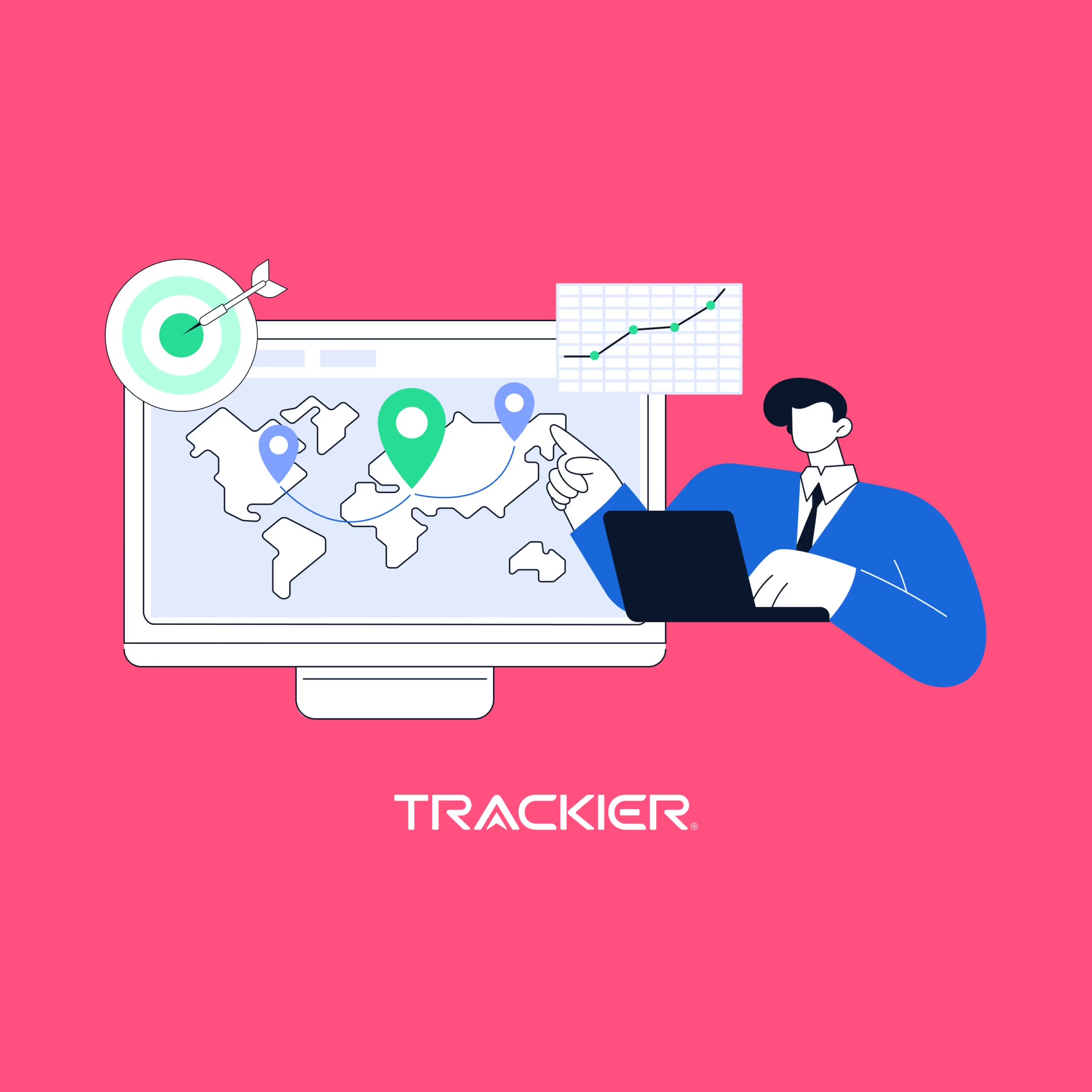
– As businesses expand into new markets or partnerships, visibility often becomes fragmented. Smarter tracking preserves clarity by connecting performance data across geographies and partner ecosystems. Teams can monitor what is working in each market while still maintaining a global performance view, enabling both localized optimisation and centralized oversight.
Controlled budget expansion without performance dilution
– Scaling budgets without reliable tracking increases the risk of wasted spend. Smarter tracking ensures that, as the investment grows, efficiency is continuously monitored. It highlights where additional budget is generating incremental value and where returns begin to plateau. This allows teams to scale confidently without sacrificing ROI or performance discipline.
Operational efficiency as complexity increases
– More campaigns typically mean more manual checks, reconciliations, and reporting overhead. Smarter tracking reduces this operational burden by streamlining data flows and performance monitoring. Teams spend less time managing complexity and more time focusing on strategy, optimisation, and growth initiatives.
Sustained accountability at scale
– As teams grow and responsibilities spread across functions, accountability can weaken. Smarter tracking reinforces ownership by making performance transparent and traceable. Each channel, campaign, and partner can be evaluated against clear outcomes, ensuring responsibility remains defined even as operations expand.
By enabling growth without sacrificing control, Smarter tracking ensures scaling remains intentional, measurable, and sustainable rather than chaotic or reactive.
Smarter Tracking as a Long-Term Advantage
Marketing ecosystems will continue to change. Channels will evolve, privacy expectations will rise, and performance models will be challenged. In this environment, the teams that succeed will not be the ones chasing every new tactic, but those grounded in reliable measurement.
Smarter tracking serves as that foundation. It brings continuity to performance measurement, ensuring insights remain trustworthy even as tools, platforms, and strategies shift. Rather than reacting to change, teams are able to adapt with clarity and control.
Smarter tracking ultimately delivers:
A measurement framework that endures
– Instead of rebuilding tracking systems with every industry shift, teams operate on a framework designed to last. Smarter tracking supports long-term consistency while remaining flexible enough to evolve, allowing performance insights to remain intact over time.
Decisions rooted in confidence, not assumption
– When data is reliable, decision-making accelerates. Smarter tracking removes uncertainty from performance analysis, enabling teams to act with conviction. Over time, this confidence compounds, leading to stronger strategies and more decisive execution.
Growth that remains measurable at every stage
– As organisations scale, visibility often declines. Smarter tracking prevents this trade-off by maintaining transparency as complexity increases. Growth remains intentional, accountable, and measurable, regardless of scale.
Alignment between performance, strategy, and outcomes
– Smarter tracking ensures that what is measured reflects what truly matters. By aligning tracking frameworks with business objectives, teams stay focused on outcomes rather than isolated metrics, preserving strategic direction as execution accelerates.
A lasting competitive edge built on clarity
– Clarity compounds. Teams that understand their performance deeply and consistently gain an advantage that extends beyond individual campaigns. Smarter tracking transforms measurement into a strategic asset, enabling sustained impact long after individual tactics change.
By anchoring performance measurement in clarity, consistency, and intent, smarter tracking becomes more than a capability. It becomes a long-term advantage that supports growth, resilience, and maximum impact.
FAQs
What is Smarter Tracking?
Smarter Tracking is an advanced approach to performance measurement that prioritizes accuracy, relevance, and actionable insights over raw data volume. It focuses on connecting user journeys, validating attribution, and enabling faster, data-backed decisions.
How is Smarter Tracking different from traditional tracking?
Traditional tracking often captures isolated metrics without context. Smarter Tracking connects multiple touchpoints, adapts to non-linear user behavior, and ensures data is reliable enough to guide optimization and scaling decisions.
Why is Smarter Tracking important for growing marketing teams?
As teams scale campaigns across channels and regions, visibility can quickly fragment. Smarter Tracking maintains consistency and control, helping teams identify what truly drives results and where to invest next.
Can Smarter Tracking improve ROI?
Yes. By reducing attribution gaps, eliminating guesswork, and highlighting real performance drivers, Smarter Tracking enables better budget allocation and more efficient optimization, directly impacting ROI.
Is Smarter Tracking future-ready?
Smarter Tracking is designed to adapt to evolving ecosystems, including privacy changes and platform shifts. Its focus on reliable data and flexible measurement makes it suitable for long-term, sustainable growth.