Affiliate marketing works on a simple mechanism: the click. But there are a number of things that also matter before clicking is how your affiliate URLs look.
When you search for information on the internet, you have probably seen long affiliate URLs that contain random IDs and tracking codes. These kinds of links look unstructured, and then users think twice before making a click. And the end result is poor traffic and low conversion rates.
To solve this problem, affiliate marketers are using the link cloaking technique to make the affiliate link clean and trustworthy.
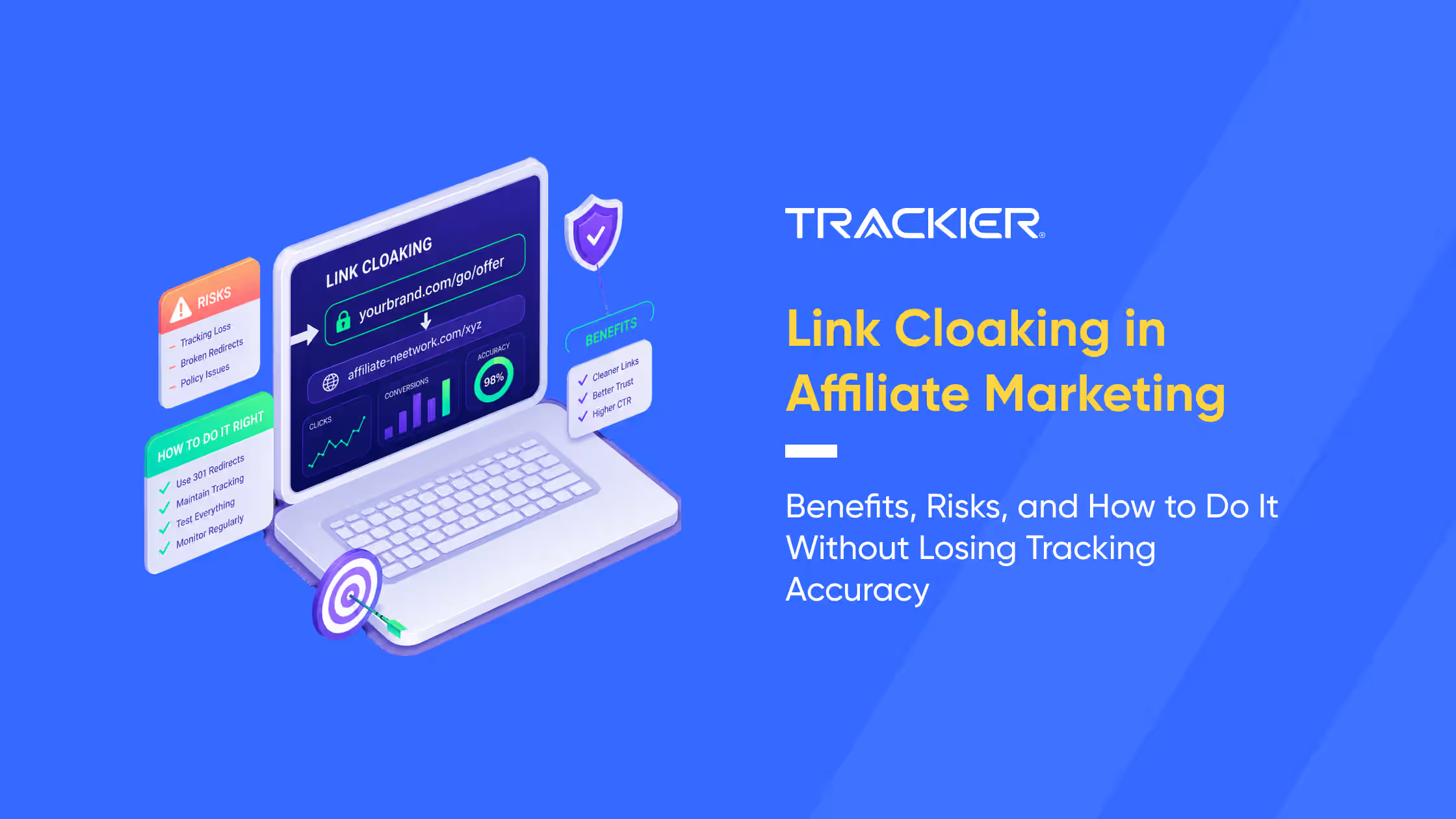
Link cloaking is not only about making links look clean. But it also helps build trust, protect your commissions, and keep your tracking accurate. But if link cloaking is not done properly, it can cause major issues, such as broken tracking or even policy violations.
But if you have not done it properly, it can cause major issues such as policy violations and broken tracking
In this guide, you’ll learn more about what link cloaking is, why it matters, what the major risks are, and how to use it the right way without affecting your tracking.
What is Link Cloaking in Affiliate Marketing?
Affiliate link cloaking is the process of refining a long, complex affiliate URL into a cleaner, shorter, and branded link that redirects users to the original destination.
For example:
- Raw affiliate link: https://affiliate-network.com/product?aff_id=12345&sub_id=abc&utm_source=xyz
- Cloaked link: https://yourbrand.com/recommend/product
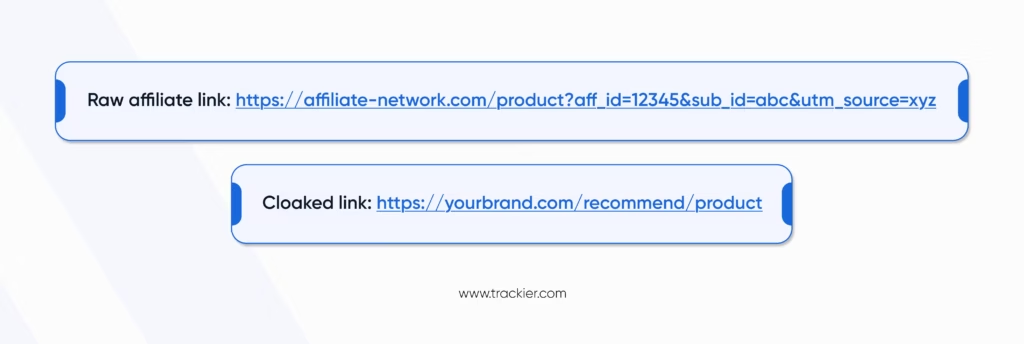
Both links take the users to the same page, but the cloaked link looks structured and more trustworthy.
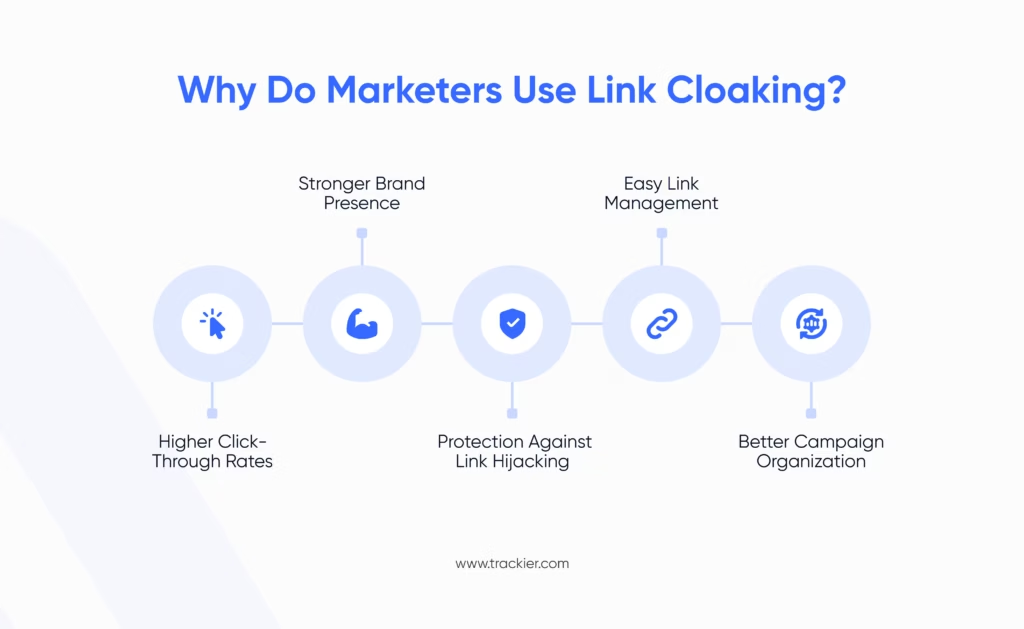
Why Do Marketers Use Link Cloaking?
Affiliate marketing is highly competitive, where trust, user experience, and accurate tracking directly affect revenue. Link cloaking helps improve all three, making it more than just a visual upgrade.
1. Improved User Trust and Click-Through Rates
Long affiliate URLs filled with tracking codes often look confusing or even suspicious to users. When people don’t recognize or trust a link, they’re less likely to click on it.
Cloaked links solve this by making URLs clean, simple, and easy to understand. When a link looks professional and clearly related to your brand, users feel more confident clicking on it. This small change can significantly improve engagement and click-through rates because users naturally trust what looks familiar and transparent.
2. Better Branding and Control
Link cloaking allows you to use your own domain instead of sending users to a third-party link. This keeps your branding consistent across all campaigns.
For example, instead of sharing a random affiliate URL, you can present a branded link that aligns with your website or business name. This builds credibility and keeps users within your ecosystem, which is especially important in industries like SaaS and eCommerce, where brand trust plays a big role in conversions.
3. Protection Against Commission Theft
Affiliate links can sometimes be tampered with or replaced by others looking to steal commissions. Since raw links expose tracking IDs, they are more vulnerable to misuse.
Cloaking hides these details, making it harder for malicious users to manipulate your links. While it doesn’t eliminate all risks, it does add an extra layer of protection and helps safeguard your earnings.
4. Centralized Link Management
One of the biggest practical benefits of link cloaking is control. With a link cloaking tool, you can manage all your links from a single place.
This becomes extremely useful when:
- A product page changes
- An offer expires
- You want to test different landing pages
Instead of manually updating links everywhere, you can simply change the destination behind the cloaked URL. This saves time, reduces errors, and makes campaign management much more efficient.
5. Higher Conversion Optimization
Affiliate marketing is growing rapidly, with global spending expected to cross billions of dollars. In such a competitive space, even small improvements can make a big difference. Cleaner links, better trust, and smoother user experience all contribute to higher conversions. When users feel confident clicking your links and navigating your funnel, it directly improves your overall ROI.
How Does Link Cloaking Work Without Losing Tracking Accuracy?
One of the biggest concerns around affiliate link cloaking is whether it affects tracking. The short answer is: it doesn’t, if done correctly.
Let’s understand the working model in simple steps –
1. The original affiliate link is created
This is the raw link you get from an affiliate program. It usually contains tracking parameters like your affiliate ID, campaign name, or source.
These parameters are important because they tell the network that the traffic and sales came from you. Without them, you won’t get credited for conversions.
2. Cloaking tool generates a custom URL
A link cloaker takes that long, complex URL and converts it into a shorter, cleaner version.
This new link is usually hosted on your own domain or subdomain, which makes it look more professional and trustworthy.
For example, instead of showing a third-party link, users see something branded like your website.
3. User clicks the cloaked link
When someone reads your blog, email, or ad and clicks the link, they only see the clean version. This improves trust because the link looks safe and relevant, not spammy or confusing.
At this stage, the user has no visibility into the complex tracking URL behind it.
4. Redirect happens instantly
As soon as the link is clicked, the cloaking system triggers a redirect in the background. This happens in milliseconds, so the user doesn’t notice anything unusual. They are automatically taken from your branded link to the actual affiliate page.
5. Tracking data is passed along
During the redirect, all the important tracking parameters (like your affiliate ID) are carried forward to the final URL.
This ensures that the affiliate network can still recognize your traffic.
When a user completes a purchase or action, the system records it and attributes the conversion to you, so you earn the commission.
The key here is the type of redirect used.
1. Redirect Types Matter
A 301 redirect is permanent and SEO-friendly, but sometimes cached aggressively by browsers.
A 302 redirect is temporary and often preferred for affiliate links because it ensures tracking parameters are always passed correctly.
Most professional link cloaker tools use 302 redirects to maintain flexibility and accuracy.
2. Preserving UTM Parameters
Tracking relies heavily on UTM parameters such as:
- Source
- Medium
- Campaign
A good cloaking setup ensures these parameters are not stripped during the redirect.
If these parameters are lost, attribution becomes inaccurate, which can lead to incorrect performance analysis.
3. Server-Side vs Client-Side Cloaking
Server-side cloaking is more reliable because the redirect happens on the server before the page loads.
Client-side cloaking (using JavaScript) can sometimes fail due to browser restrictions or ad blockers.
For accurate tracking, server-side cloaking is always the safer option.
4. Use of Reliable Affiliate Platforms
Modern affiliate platforms like Trackier are built to handle complex tracking scenarios, including cloaked links, multi-touch attribution, and real-time analytics.
These platforms ensure that even if you cloak links, your data remains accurate and actionable.
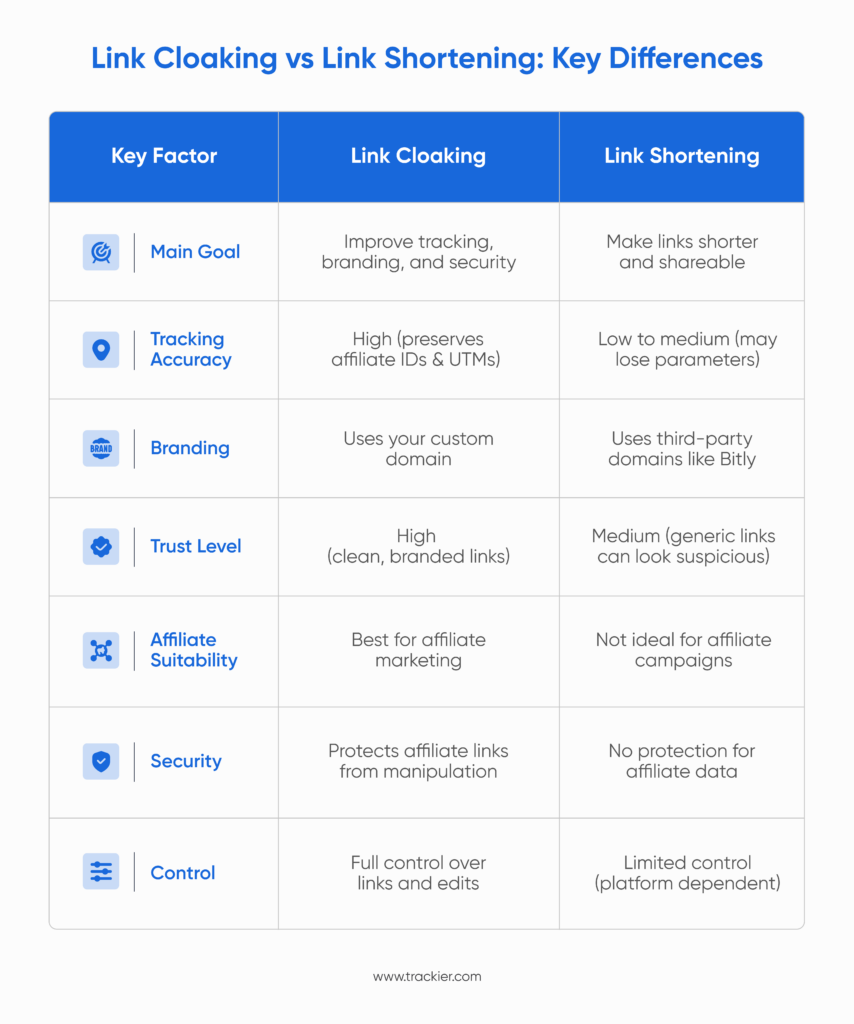
Link Cloaking vs Link Shortening
What Are the Risks of Link Cloaking and How to Avoid Them?
While link cloaking can significantly improve the appearance and performance of affiliate links, it also introduces a set of risks that can directly impact revenue, compliance, and long-term sustainability. The problem is not the technique itself, but how it is implemented.
Understanding these risks in depth is essential if you want to use affiliate link cloaking without compromising tracking accuracy or violating platform rules.
1. Policy Violations
Not all platforms allow affiliate link cloaking in the same way. Some have strict rules about how links should look and where they should lead. If your cloaked link hides too much information or looks misleading, your account or campaigns can get blocked.
To stay safe, always follow the platform’s guidelines and make sure your link clearly matches where the user will land
2. Tracking Breakage
Affiliate marketing works only when tracking is accurate. If your cloaked link does not pass important details like affiliate IDs or campaign tags, you may not get credit for your conversions.
In simple terms, you do the work, but you don’t get paid.
To avoid this, use proper redirects and always test your links to make sure tracking is working correctly.
3. Ad Disapprovals
Ad platforms check if your link matches what you are promising in your ad. If your cloaked link hides the real destination or feels misleading, your ads may get rejected.
The best way to avoid this is to keep everything consistent. Your ad, your link, and your landing page should all match.
4. Reduced User Trust
If users feel a link is hiding something, they may not click on it. Even if your intention is good, unclear links can create doubt.
Use simple, branded links that tell users where they are going. This builds trust and improves clicks.
5. Tool Dependency Issues
If you depend on a weak or unreliable link cloaker, your links might stop working or break suddenly. This can lead to lost traffic and missed sales.
To avoid this, use trusted tools and check your links regularly to make sure everything is working smoothly.
Conclusion
In modern affiliate marketing, every detail matters, and link cloaking is one of those small changes that can create a significant impact.
It improves user trust, enhances branding, and simplifies link management. But at the same time, it requires careful implementation to avoid tracking issues, policy violations, and performance gaps.
The key is balance.
Use link cloaking as a strategic tool, not a shortcut. Focus on transparency, compliance, and accurate tracking. When done right, it becomes a powerful asset that not only improves user experience but also drives measurable growth in your affiliate campaigns.
As affiliate marketing continues to scale globally, marketers who combine clean user experiences with precise tracking will always stay ahead.
FAQs
1. What is link cloaking, and is it legal in affiliate marketing?
Link Cloaking is the process of converting long affiliate URLs into clean, branded links that redirect users to the original destination. It is completely legal in affiliate marketing, as long as you follow the rules of the affiliate program and ad platforms. The key is to stay transparent and avoid misleading users about where the link leads.
2. Does link cloaking affect affiliate tracking accuracy?
No, affiliate link cloaking does not affect tracking accuracy if implemented correctly. Using proper redirect types like 302 redirects and ensuring that UTM parameters and affiliate IDs are preserved will keep tracking intact. Problems only occur when cloaking is set up incorrectly or uses unreliable tools.
3. What is the difference between a link cloaker and a URL shortener?
A link cloaker is designed for affiliate marketing and focuses on branding, tracking accuracy, and protecting affiliate IDs. A URL shortener, on the other hand, simply reduces link length for easy sharing and does not guarantee tracking or security. For affiliate campaigns, a link cloaker is always the better option.
4. What are the biggest risks of link cloaking?
The main risks of Link Cloaking include tracking breakage, policy violations, and reduced user trust if links appear misleading. These risks can be avoided by using server-side redirects, testing links regularly, and following platform guidelines carefully.