Affiliate marketing runs on a simple question:
How do you know which affiliate is actually generating Revenue?
And the correct answer is affiliate link tracking.
When you are working with a number of affiliates and partners without proper tracking, you cannot find which affiliate is driving real conversions, you cannot calculate commission, or measure campaign performance. So for an affiliate, it becomes very challenging to claim credit for the traffic and sales generated by them.
In the article, you will understand more about what affiliate link tracking is, how it works in affiliate marketing, and why it matters for tracking performance.
What is Affiliate Link Tracking?
Affiliate link tracking is a systematic process through which you can monitor clicks, track conversions, and track other users’ actions through a unique affiliate link.
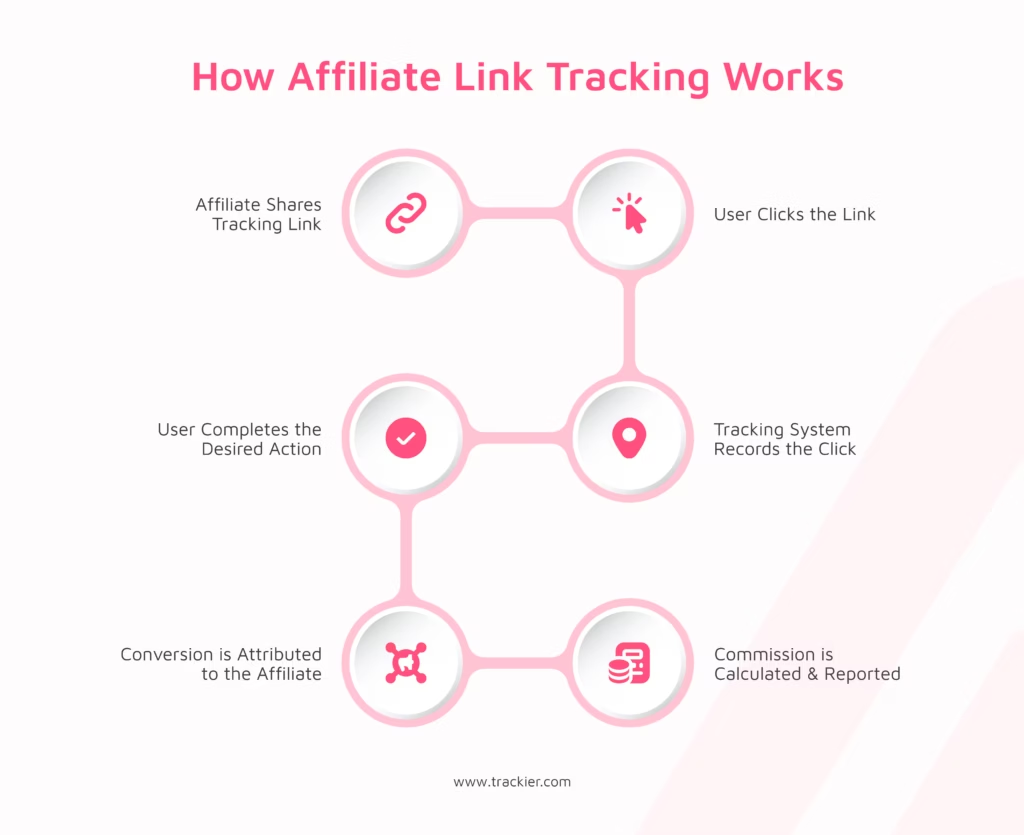
Every affiliate is assigned a unique tracking link that shows them as the actual source of action. When a user clicks on that link and completes this action, such as registration, making a purchase, or installing an application, the link tracking system records the activity and gives credit for that action to the correct affiliate.
This whole process ensures that the affiliates are rewarded accurately, while the business is getting clear insights about the campaign performance.
Why is Affiliate Link Tracking Important?
An affiliate tracking link offers advantages to both advertisers and affiliates.
For businesses, it provides clear visibility into which partners are generating actual traffic and revenue. These insights help to optimize the campaign and marketing budgets.
And for affiliates, accurate tracking ensures that every conversion they generate is recorded properly, reducing payment time and increasing trust in the affiliate program.
Here are some key benefits:
- Accurate commission tracking
- Reliable conversion attribution
- Better campaign optimization
- Performance reporting
- Reduced fraud and duplicate claims
- Improved affiliate relationships
How Does Affiliate Link Tracking Work?
The process of affiliate tracking is completed within seconds; there are several technologies that work behind the scenes and complete the process successfully.
Here is the flow of how link tracking works:
Step 1: Creation of a Unique Affiliate Link
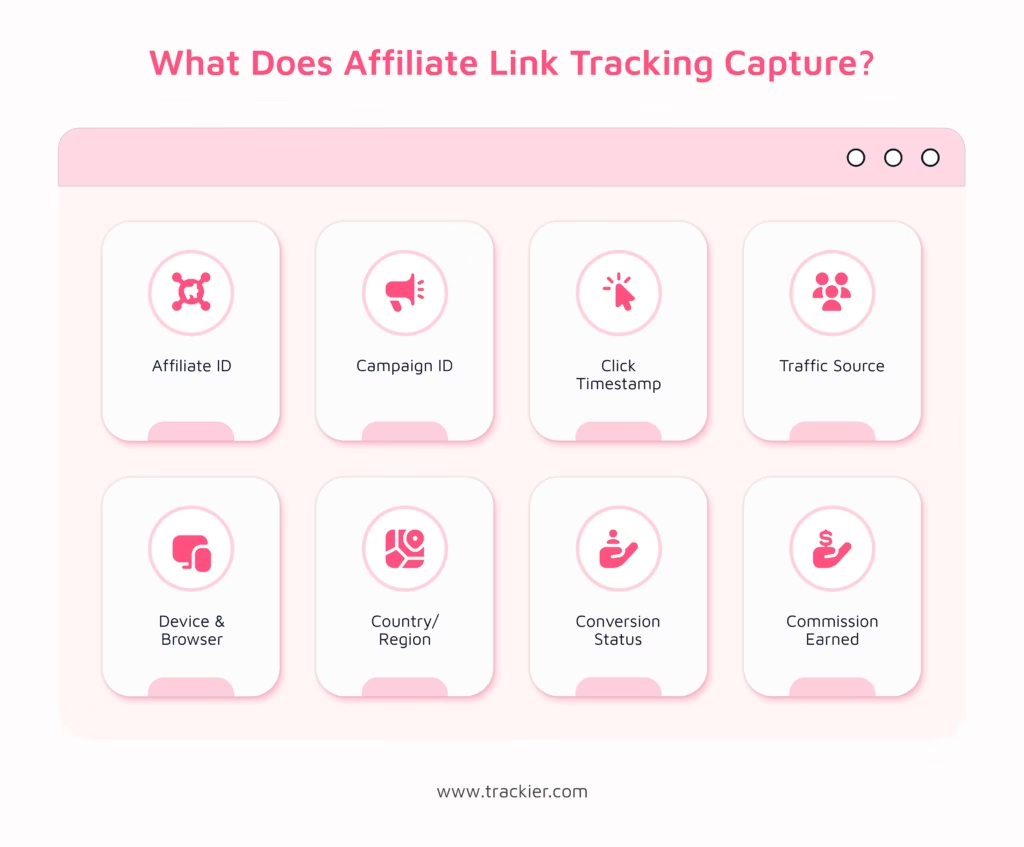
While promoting the products and services, the affiliate gets a unique URL that contains tracking information, like affiliate IDs, campaign IDs, etc.
For Example –

This unique identifier tells the tracking platform which affiliate referred the visitor.
Step 2: A User Clicks on the Affiliate Link
When a user clicks on the affiliate link, the tracking system starts its work and collects information like:
- Click time
- Device type
- Browser
- Location
- Campaign details
- Referral source
Step 3: Tracking Data is Stored
The tracking platform stores the click information using cookies, server-side tracking, or other tracking technologies.
This allows the system to recognize the visitor if they convert later.
Step 4: The User Converts
If the visitor completes the desired action within the attribution window, such as purchasing a product or filling out a form, the conversion is matched with the original affiliate click.
Step 5: Commission is Assigned
The platform automatically attributes the conversion to the correct affiliate and calculates the commission based on predefined rules.
Common Affiliate Link Tracking Methods
Different affiliate programs use different tracking technologies depending on their business model and privacy requirements.
Cookie Tracking
Cookie tracking stores a small file in the user’s browser after they click an affiliate link.
If the user converts within the cookie duration, the affiliate receives credit.
This is one of the most widely used tracking methods.
Server-to-Server (S2S) Tracking
Server-to-server tracking, also called postback tracking, exchanges conversion information directly between servers instead of relying on browser cookies.
It is considered more reliable because browser restrictions have less impact on tracking accuracy.
Pixel Tracking
Pixel tracking uses a small tracking pixel placed on the conversion page.
When a conversion occurs, the pixel sends conversion data back to the tracking platform.
This method is commonly used for lead generation campaigns.
First-Party Tracking
As privacy regulations evolve, many businesses now use first-party tracking, where tracking data is collected directly through their own domain.
This helps improve tracking reliability while supporting modern privacy standards.
Challenges in Affiliate Link Tracking
Although tracking technology has become more advanced, businesses still face several challenges.
Some of the most common include:
- Browser privacy updates
- Cookie expiration
- Cross-device user journeys
- Ad blockers
- Fraudulent clicks
- Duplicate conversions
- Attribution conflicts across multiple marketing channels
Using a reliable affiliate tracking platform helps minimize these issues and improves reporting accuracy.
How Trackier Helps with Affiliate Link Tracking
Managing affiliate campaigns becomes much easier with a dedicated tracking platform.
Trackier helps businesses track affiliate clicks, conversions, and commissions with accuracy. It offers configurable attribution settings to match different campaign goals, real-time click and conversion tracking, customizable tracking links, and detailed performance reports to measure affiliate performance.
The platform also includes fraud detection tools to identify suspicious traffic and automated payout management to simplify commission calculations and partner payments. These capabilities help businesses optimize campaigns, improve tracking accuracy, and reward affiliates fairly.
Conclusion
Affiliate link tracking is the foundation of every successful affiliate marketing program. It connects affiliate traffic with conversions, ensures accurate commission payments, and gives businesses the data they need to improve campaign performance.
As privacy standards and customer journeys continue to evolve, using modern tracking methods and reliable affiliate tracking software is becoming more important than ever. Accurate tracking not only improves reporting but also builds trust between businesses and their affiliate partners.
FAQs
1. What is affiliate link tracking?
Affiliate link tracking is a way to monitor the traffic and conversions generated through a unique affiliate link. It helps businesses identify which affiliate referred a customer and ensures the right partner receives credit for the sale or lead.
2. How does affiliate link tracking work?
Each affiliate is assigned a unique tracking link. When someone clicks the link, the tracking system records the visit. If the visitor completes a specific action, such as making a purchase or signing up, the conversion is linked to that affiliate, and the commission is recorded.
3. What are the different ways to track affiliate links?
Affiliate links can be tracked using several methods, including cookies, server-to-server (S2S) tracking, tracking pixels, and first-party tracking. The best method depends on your business needs, privacy requirements, and the level of tracking accuracy you want.
4. Can affiliate links be tracked without cookies?
Yes. Many affiliate marketing platforms now support cookieless tracking through technologies like server-to-server (S2S) tracking and first-party tracking. These methods provide more reliable tracking, especially as browsers place greater restrictions on third-party cookies.
