In today’s fast-paced digital economy, relational marketing has quickly become a strategic priority for brands that want to grow sustainably and profitably. Instead of focusing on acquiring new customers, businesses are increasingly recognising the value of nurturing long-lasting relationships with existing customers and partners.
In 2025, up to 65% of a company’s business comes from existing customers, making retention an essential part of a growth strategy. Increasing retention by just 5% can boost profits by 25–95%, highlighting how powerful ongoing customer relationships can be for a brand.
For performance marketers and growth teams, relational marketing also intersects with partner ecosystems and affiliate networks. It’s not enough to simply drive clicks and conversions; brands need tools that help measure engagement, track partner performance, and reward long-term contribution.
Trackier offers comprehensive tracking, transparent analytics, and workflow automation that support relationship-driven strategies, whether you’re nurturing repeat buyers or empowering high-performing partners.
In this blog, we will explore what relational marketing is in 2026, the reasons why it is essential, and the best strategies for developing and sustaining strong customer and partner relationships to maximise growth.
What is Relational Marketing?
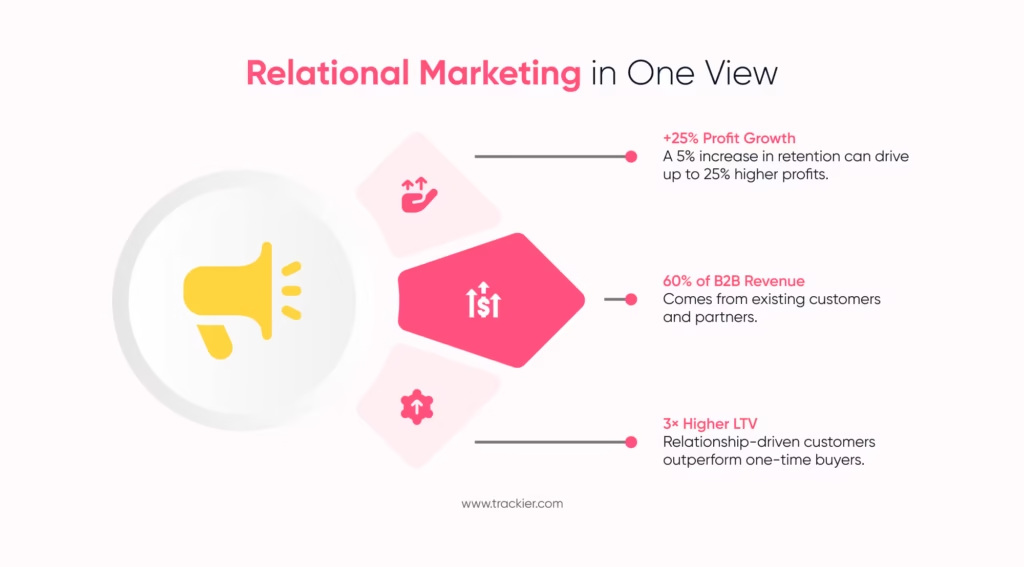
Relational marketing, or relationship marketing, is a strategic approach that builds and develops meaningful, long-term relationships with customers, partners, and other stakeholders. For modern businesses, especially those managing partner ecosystems, affiliates, or long sales cycles, relational marketing is essential.
Trackier helps brands to operationalise this strategy at scale by tracking engagement, rewarding high-value relationships, and providing marketers with marketing analytics to understand behaviour, turning data into deeper, sustainable connections that drive growth and profitability.
Key Principles of Relational Marketing
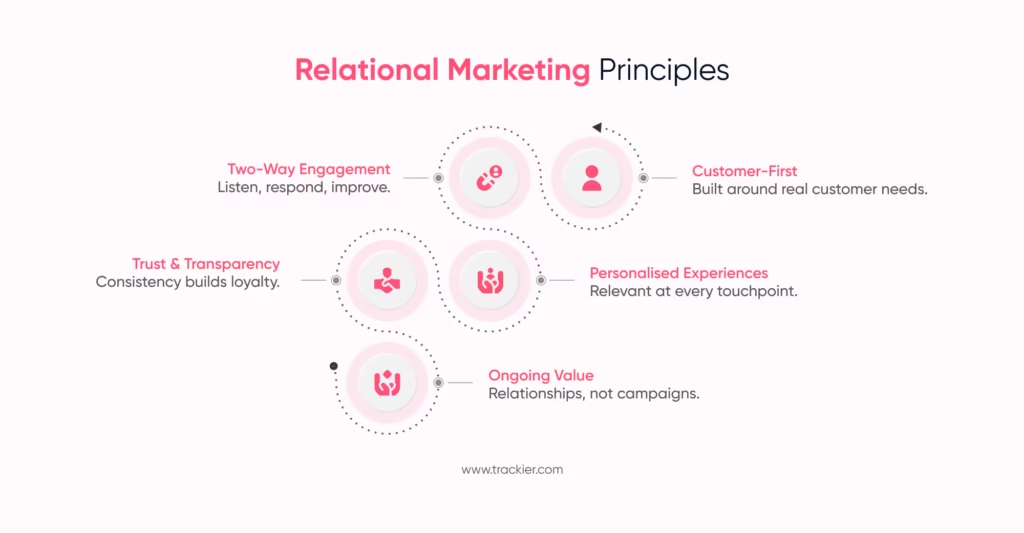
Relational marketing is guided by foundational principles that focus on building trust, loyalty, and value over time, moving beyond one-off transactions to create ongoing engagement and mutual benefit.
These principles help brands create deeper, more meaningful connections with customers, partners, and other stakeholders that translate into long-term growth and resilience.
1. Customer Centric Approach
Relational marketing starts with placing the customer at the centre of every decision and interaction. Instead of generic mass messaging, it focuses on understanding individual needs, preferences, and behaviours, and tailoring experiences accordingly.
This customer-first mindset drives personalised communications, product recommendations, and service experiences that make people feel valued and understood.
2. Two-Way Communication
Rather than broadcasting messages, relational marketing promotes dialogue. Open, transparent communication, listening as much as speaking, allows brands to collect feedback, address customer concerns proactively, and strengthen relationships. This principle recognises that engagement is a conversation, not just a campaign.
3. Personalisation at Scale
Personalisation is more than using a customer’s name in an email; it’s about delivering relevant interactions based on data insights, purchase history, and behavioural patterns. Tailored experiences increase relevance, satisfaction, and the likelihood of repeat engagement.
4. Building Trust and Transparency
Trust is foundational to long-term relationships. Brands that consistently deliver on promises, operate transparently, and prioritise reliability build emotional connections that withstand competitive pressures. These trust bonds help reduce churn and deepen customer loyalty.
5. Consistent Value Delivery
Relational marketing isn’t episodic; it’s continuous. Regular, meaningful engagement through loyalty programs, proactive support, feedback loops, or personalised offers keeps the relationship active and reinforces a sense of ongoing value.
Types of Relational Marketing
Relational marketing isn’t a one-size-fits-all tactic; it spans multiple types and approaches that brands use to cultivate long-lasting connections with customers, partners, and stakeholders.
Instead of focusing only on selling products, these types emphasise ongoing engagement, personalised interaction, and mutual value over time.
1. Basic and Reactive Marketing
At the foundational level, basic marketing still centres on awareness and initial purchase but begins to acknowledge the value of future contact.
Reactive marketing builds from here by inviting customer feedback and responding to needs after purchase, an important first step toward deeper engagement.
2. Accountable and Proactive Marketing
Accountable marketing takes responsiveness a step further by actively tracking interactions and demonstrating commitment, addressing concerns, sharing improvements, and showing customers they matter.
Proactive marketing goes beyond reaction: brands anticipate preferences, reach out with relevant offers, and nurture relationships before customers even ask.
3. Direct and Personalised Engagement
Many brands use direct marketing channels such as personalised email, SMS, or in-app messages tailored to individual preferences and behaviour.
This boosts relevance and increases customer lifetime engagement, with personalised campaigns shown to drive significantly higher conversion rates than generic messaging.
4. Customer Service-Led Marketing
Exceptional service is itself a relational marketing type. Businesses that resolve issues quickly and empathetically build trust, often driving repeat purchases and referrals as a result.
5. Loyalty Programs and Community Marketing
Loyalty programs, from points systems to VIP access, reward repeat engagement and reinforce long-term behaviour, while community-based initiatives encourage customers to participate, share ideas, and feel part of a brand’s journey.
6. Partnership Marketing
Especially relevant in B2B and partner ecosystems, partnership marketing involves long-term collaboration between brands, affiliates, and partners, creating shared value for both customer bases.
Relational Marketing Strategies Brands Can Use
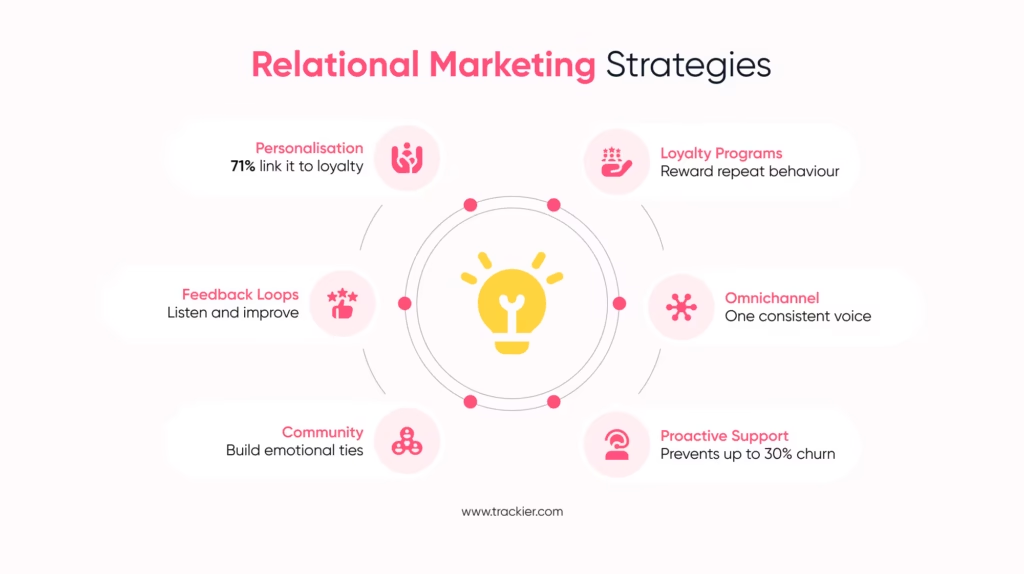
To build strong, long-lasting connections with customers and partners, brands must go beyond traditional advertising and conversion-focused tactics.
Relational marketing strategies are designed to deepen engagement, foster loyalty, and create ongoing value, which ultimately leads to higher lifetime value and stronger advocacy. Here are key strategies that successful brands use today:
1. Personalisation Through Data
Customers expect relevant experiences: 71% of consumers say personalised experiences influence their loyalty to a brand.
Tailoring communication based on behaviour, preferences, and purchase history, such as personalised emails, recommendations, and offers, makes interactions feel more human and valuable.
2. Loyalty and Rewards Programs
Rewarding repeat engagement is foundational to relational marketing. Brands like Amazon Prime use loyalty programs to keep customers invested, offering perks like free shipping, exclusive deals, and premium content.
3. Feedback and Continuous Improvement
Actively collecting and acting on customer feedback signals that a brand truly listens. Having structured feedback loops like surveys, rating prompts, or direct user outreach helps refine products and services while reinforcing trust and belonging.
4. Multi-Channel Communication
Customers interact across email, social media, chat, and more. A consistent, unified communication strategy ensures that each touchpoint feels seamless. This omnichannel engagement helps brands remain relevant and responsive across the entire customer journey.
5. Community and Emotional Engagement
Building communities through forums, social groups, or brand events allows customers to connect with each other and the brand, making engagement more emotional and sticky.
6. Proactive Customer Support
Fast, proactive support (like check-ins after purchases or rapid issue resolution) strengthens relational bonds and reduces churn, which in some industries reaches up to 30% annually if ignored.
How Relational Marketing Supports Partner and Affiliate Growth?
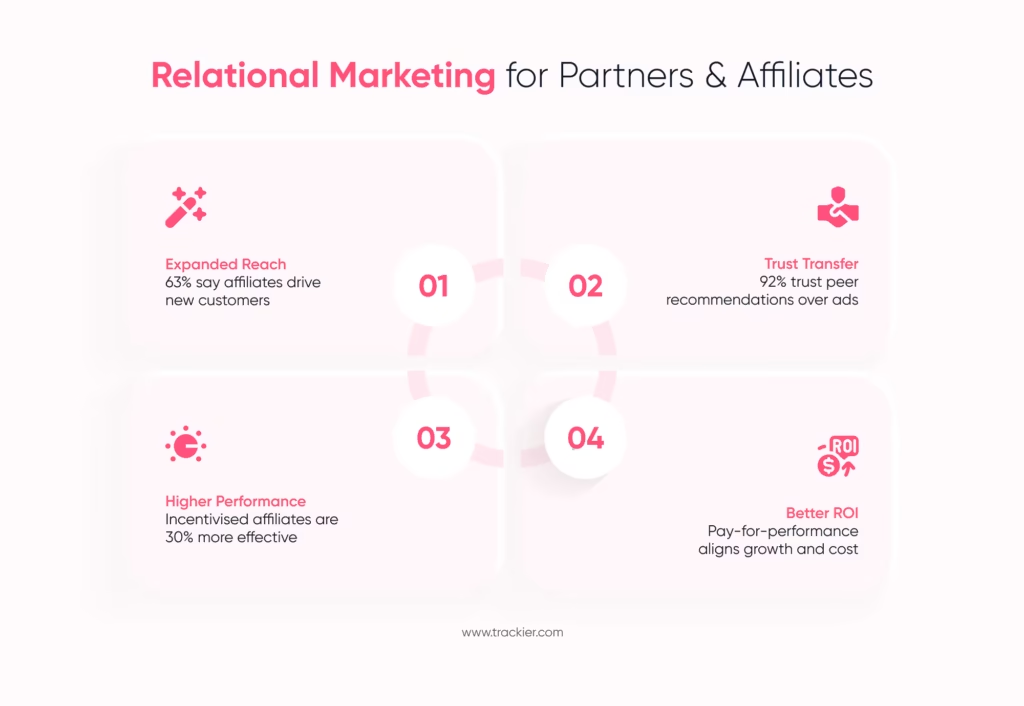
Relational marketing isn’t just important for customer engagement; it also plays a critical role in scaling partner and affiliate ecosystems, where long-term collaboration, trust, and shared value are essential for sustainable growth.
By prioritising meaningful interactions over one-off transactions, brands can maximise the impact of their partnerships and create performance-driven relationships that fuel both visibility and revenue.
One of the biggest advantages of relational marketing in partner programs is expanded market reach. Engaged affiliates bring their own audiences, often in niche segments, into the brand’s ecosystem, helping unlock new customer segments faster and more cost-effectively than traditional channels alone.
In fact, 63% of marketers agree that affiliate marketing is effective in bringing in new customers, highlighting how active partners significantly amplify acquisition efforts.
Beyond reach, credibility transfer through trusted partners elevates trust in the brand itself. When affiliates or partners recommend products, their endorsement carries weight with their communities, often leading to higher conversion potential than conventional ads.
92% of consumers trust recommendations from individuals over traditional advertising, underscoring the power of advocacy-driven growth in relational ecosystems.
Relational marketing also enhances cost efficiency and ROI. Performance-based affiliate models often allow brands to pay only on actual results such as sales or leads, reducing upfront risks and aligning incentives with outcomes.
Combining relational incentives such as tiered rewards and personalised support further motivates affiliates to perform at higher levels, with incentivised affiliates shown to be 30% more likely to promote products effectively.
Conclusion
Relational marketing isn’t just a trendy term; it’s a smart strategy in a world where customers expect more and the cost of acquiring new customers keeps increasing.
Here are actionable steps you can start with today:
- Map and personalise every journey: Understand key touchpoints and tailor experiences, whether through targeted messaging or adaptive offers, to deepen engagement.
- Implement loyalty and rewards thoughtfully: Loyalty programs don’t just reward repeat behaviour; when designed well, they can increase retention and revenue directly, with many programs generating strong ROI.
- Prioritise seamless omnichannel communication: Deliver consistent, relevant interactions across email, social, support, and in-app touchpoints.
- Measure and refine with data: Track repeat purchases, engagement rates, and lifetime value to understand what drives loyalty, and double down on what works.
- Nurture partners and affiliates: Don’t treat partners as transactional channels. Regular check-ins, transparent performance data, and collaborative incentives help strengthen ecosystems that drive shared growth.
To scale these efforts and ensure relational marketing isn’t just a concept but a measurable source of growth, you need the right tools.
Trackier helps you to automate personalised campaigns, monitor partner and customer behaviour, and get analytics that turn relationship insights into action.
FAQs
1. How do brands measure success in relational marketing?
Success is typically tracked through customer retention rates, CLV, repeat purchase frequency, referral volume, loyalty program engagement, and satisfaction scores, all indicators of stronger customer or partner relationships.
2. Can relational marketing help affiliates and partners?
Yes, relational approaches foster trust, repeated collaboration, and mutual value with partners and affiliates. By nurturing structured engagement and transparent performance tracking, brands can strengthen their ecosystem and improve long-term growth.
3. What are common tactics in relational marketing?
Common tactics include personalised communication, loyalty or rewards programs, proactive customer service, feedback loops, and community engagement, all designed to make customers feel valued and deepen connections.
4. Why is relational marketing important for brands?
Relational marketing boosts retention, reduces acquisition costs, and increases customer lifetime value (CLV). Brands with strong customer relationships also benefit from positive word-of-mouth and higher satisfaction.
5. How is relational marketing different from transactional marketing?
Transactional marketing focuses on single purchases and short-term sales goals, while relational marketing emphasises ongoing engagement, trust, and repeat interactions, aiming to boost loyalty and lifetime revenue.