
Affiliate marketing has come a long way from when it began as a simple method of referral to becoming a powerful marketing tool, and marketers can instantly tell if they see any affiliate marketing examples in their feed. The global market for affiliate marketing is expected to reach a whopping $20.07 billion by the year 2026.
But what does affiliate marketing mean? It is conducted through a range of channels like product reviews, comparison websites, software recommendations, creator content, newsletters, coupon sites, and so on. They all provide different ways of approaching the target audience.
For marketers, the secret is in the knowledge of how each of these methods works, and the practical side of getting the referrals to be tracked and analyzed. Trackier helps businesses manage affiliate campaigns, track partner-driven conversions, and understand performance across their affiliate ecosystem.
What is Affiliate Marketing?

Affiliate marketing is a performance-based marketing model in which an individual, publisher, creator, or business promotes another company’s product or service and earns a commission when a defined action occurs.
In fact, US affiliate marketing ad spending is expected to reach $13.81 billion by 2026, which means an increase of 11.3% compared to 2025.
The process of affiliate marketing is rather easy and uncomplicated:
Affiliate → Tracked referral → Customer action → Attribution → Commission
An affiliate is issued a special link or code or some other reference for tracking it. When someone acts upon this reference and performs an action that meets the criteria of the merchant, the merchant is able to monitor the actions done by the right affiliate.
The model of affiliate marketing is beneficial for both parties. The affiliate is able to make money using the audience they already have without making any products of their own, while the brand can get to a wider audience and pay for outcomes.
10 Affiliate Marketing Examples
Affiliate marketing can take many forms depending on the product, audience, and channel.
From product reviews and comparison websites to SaaS referrals, creator content, and niche publishers, these examples show how different businesses and partners use affiliate marketing to turn recommendations into measurable results.
1. Product Review Websites
Product reviews belong to the most recognizable categories of affiliate marketing. Consumers can click on links and buy the suggested products, while a specific publication will receive a commission if certain purchases meet the given criteria.
The idea behind this model is that the information provides an answer to a question of highest interest: what product should I buy?
The affiliate does not just put ads but instead provides people with important facts, analyses, advice, and recommendations on how to make a purchase.
What marketers can learn? Affiliate content works best when it solves a genuine decision-making problem. Helpful reviews can create a natural connection between content and conversion.
2. Comparison Sites
Comparison websites use affiliate marketing to help audiences evaluate multiple products or services. The purpose of the comparison content is to help consumers learn about their choices in making a buying decision rather than compelling each visitor to buy on the spot.
What can marketers learn? Comparison pages may work particularly well in situations where the consumer needs information before buying. The affiliate model connects the research phase with actual referrals.
3. Ecommerce Affiliate Marketing
For instance, Amazon Associates is perhaps one of the most popular examples of an e-commerce affiliate program.
Affiliates can suggest products on Amazon using affiliate links, and they receive commission for every qualifying purchase made through those links. With Amazon’s affiliate program, we can see the potential of affiliate marketing on a massive scale.
Amazon’s commission rates differ across product categories, and there is a standard rule of Amazon’s affiliate program that states that all purchases made within 24 hours of visitors clicking on a special link will qualify for commissions.
Affiliate marketers can utilize the following types of content for their affiliate marketing:
- Product reviews
- Buying guides
- Product comparisons
- Tutorials
- Gift guides
- YouTube recommendations
- Social media content
4. SaaS Affiliate Marketing
Affiliate marketing is not limited to physical products. Software companies can also use affiliates to generate qualified customers.
HubSpot’s affiliate program is designed for content creators who produce business and marketing content. Partners can recommend HubSpot through educational articles, tutorials, courses, videos, and other content.
The example demonstrates an important difference between ecommerce and SaaS affiliate marketing. SaaS brands can build affiliate programs and utilize performance marketing software to build longer customer relationships rather than one-time product purchases.
What marketers can learn? Affiliate programs should reflect the economics of the product. A subscription-based business may benefit from a recurring commission structure that aligns partner incentives with customer value.
5. E-commerce Education
Shopify provides another example of how affiliate marketing can be integrated with educational content.
Its affiliate marketing program works with entrepreneurs, educators, influencers, and content creators who teach audiences about e-commerce and entrepreneurship. Partners receive unique tracking links and earn commissions from qualifying merchant referrals.
The important element here is content-product alignment.
A creator publishing a tutorial about launching an online store has a natural opportunity to recommend an e-commerce platform. The recommendation becomes part of the educational experience rather than an unrelated advertisement.
What marketers can learn? The strongest affiliate partnerships often connect a product directly to the problem an audience is already trying to solve.
6. YouTube Product Reviews and Tutorials
YouTube has become an important platform for affiliate marketing because creators can demonstrate products rather than simply describe them.
A technology creator, for example, might publish a laptop comparison and include affiliate links to the products discussed. A beauty creator could demonstrate several products and direct viewers to purchase them. A software educator could show how a platform works and include a referral link.
The format combines:
- Demonstration
- Education
- Personal experience
- Product discovery
- Direct referral
What marketers can learn? Video can shorten the distance between product discovery and purchase by showing audiences how a product works in a real context.
7. Social Media Creator Affiliate Marketing
Affiliate marketing also works through platforms such as Instagram, TikTok, and Facebook.
Creators can recommend products through posts, short-form videos, product showcases, stories, or dedicated storefronts.
Affiliate links, product tags, and discount codes can then help connect the recommendation to a conversion.
Amazon’s Influencer Program, for example, allows eligible creators on platforms including YouTube, Instagram, Facebook, and TikTok to monetize recommendations through storefronts and affiliate links.
What marketers can learn? Creator affiliate campaigns work best when the product naturally fits the creator’s existing audience and content style.
8. Coupon and Deal Websites
Coupon and deal websites represent another affiliate marketing model. These websites attract buyers who are already close to making a purchase by offering:
- Discount codes
- Seasonal deals
- Promotional offers
- Cashback opportunities
- Limited-time offers
The affiliate’s role is not necessarily to create demand from scratch. Instead, it can help capture and influence customers who are already considering a purchase.
What marketers can learn? Affiliate marketing can operate at different stages of the customer journey. Deal-focused partners can be particularly relevant near the conversion stage.
9. E-mail Affiliate Marketing
Email newsletters can turn an established subscriber base into an affiliate marketing channel.
For example, a technology newsletter might recommend useful software, while a travel newsletter could share hotel, booking, or travel-product recommendations.
The major advantage is relevance. Subscribers have already opted into a specific content theme, giving publishers an opportunity to recommend products that match their interests.
However, successful e-mail affiliate marketing depends on maintaining audience trust. Excessive promotions can make recommendations feel transactional and reduce engagement.
What marketers can learn? Affiliate recommendations should complement the reason people subscribed. Relevance matters more than the number of affiliate links included.
10. Niche Affiliate Websites
Niche websites focus on a specific audience, interest, or product category. Examples include websites dedicated to:
- Outdoor equipment
- Travel
- Fitness
- Personal finance
- Technology
- Food
- Software
- Beauty
Instead of trying to reach everyone, these sites build authority around a particular subject. They can then monetize relevant traffic through reviews, comparison pages, tutorials, buying guides, and product recommendations.
What can marketers learn? A focused audience can make affiliate recommendations more relevant because the content, product, and customer needs are closely connected.
What Do These Affiliate Marketing Examples Have in Common?
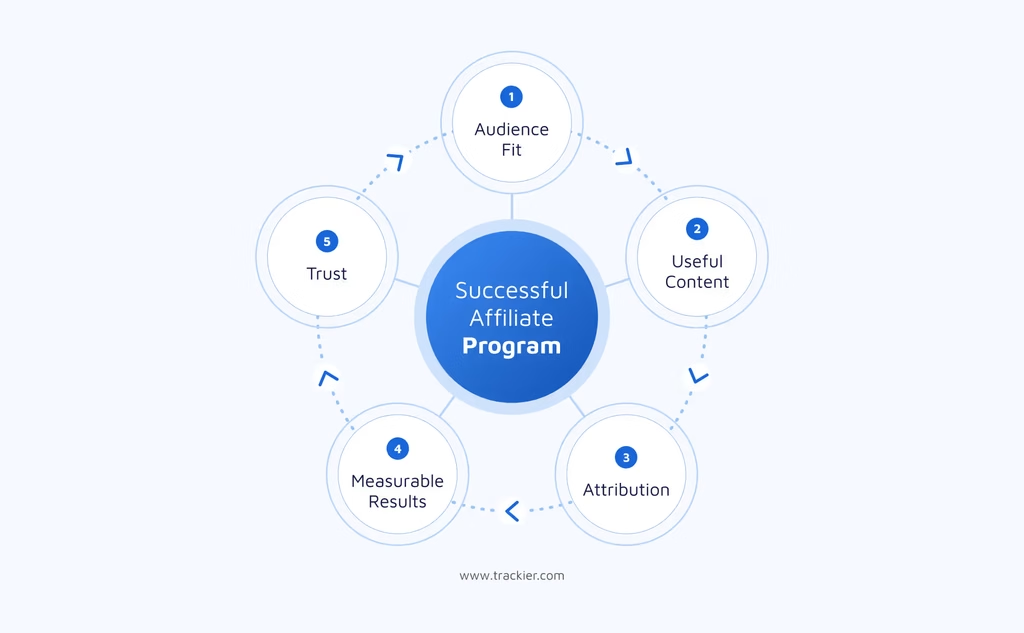
Although these examples use different channels, several patterns appear repeatedly.
1. Strong audience-product fit – The product being promoted is relevant to the audience’s existing interests or needs.
2. Useful content – Reviews, comparisons, tutorials, guides, and demonstrations give consumers a reason to engage with the content before clicking an affiliate link.
3. Clear attribution – Affiliate marketing depends on connecting a referral to a specific partner and ultimately to a qualifying conversion.
4. Measurable outcomes – Unlike models that primarily focus on impressions or reach, affiliate marketing can connect partner activity to actions such as purchases, leads, or sign-ups.
5. Trust – An affiliate recommendation works best when the audience considers the publisher or creator credible. Clear disclosures also help audiences understand commercial relationships.
How to Choose the Right Affiliate Marketing Model
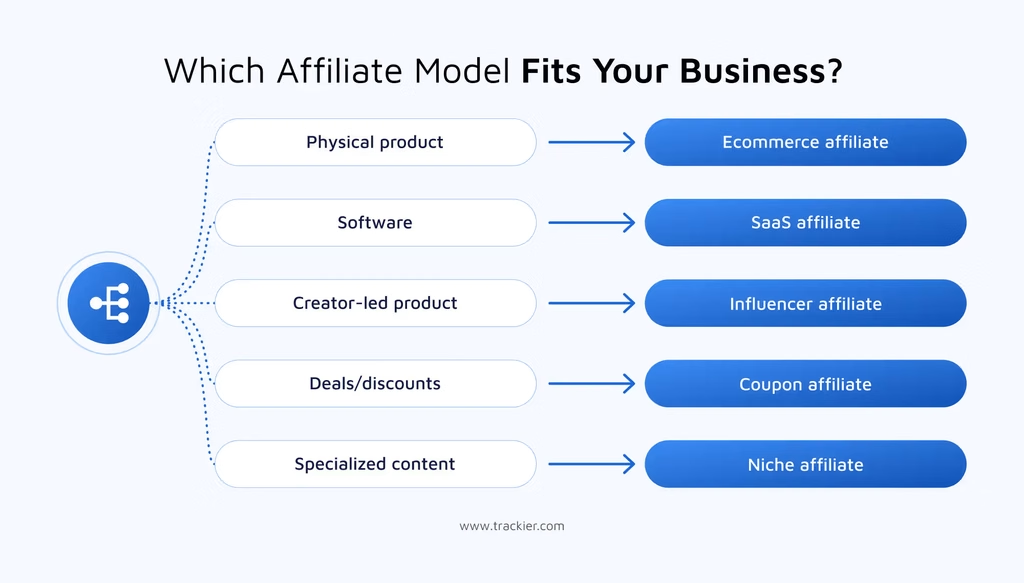
The right affiliate model depends on the audience, product, customer journey, and content format.
| Content or audience type | Potential affiliate model |
| Product-focused audience | Ecommerce affiliate |
| Business or software audience | SaaS affiliate |
| Creator-led audience | Influencer affiliate |
| Research-oriented audience | Comparison/review affiliate |
| Deal-seeking audience | Coupon or cashback affiliate |
| Niche subscribers | E-mail affiliate |
| Specialized search traffic | Niche affiliate website |
How Affiliate Tracking Makes These Examples Work
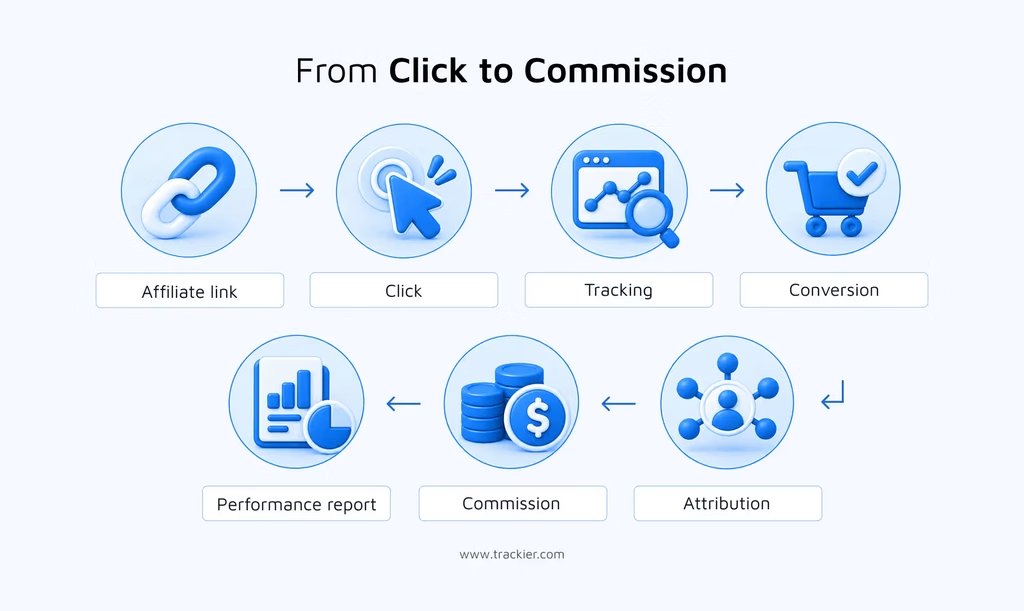
Behind every successful affiliate campaign is a tracking system that connects partners with measurable outcomes. Affiliate tracking software can help businesses monitor:
- Clicks and visits
- Conversions
- Revenue
- Affiliate performance
- Campaign performance
- Commission calculations
- Attribution
- Fraud prevention
As an affiliate program grows, managing these activities through spreadsheets or disconnected systems can become increasingly difficult.
Conclusion
Affiliate marketing can take many forms, from product reviews and comparison websites to SaaS referrals, creator content, newsletters, and niche websites. The examples show that there is no single format for building an affiliate program.
In fact, $241.03 billion in US e-commerce sales is projected to be driven by affiliate marketing in 2026. The common factor is the ability to connect the right partner, audience, product, and measurable conversion.
As affiliate ecosystems grow, accurate tracking becomes just as important as finding the right partners. With the right technology and performance data, businesses can identify what works, optimize campaigns, and build stronger partner relationships.
FAQs
What is an example of affiliate marketing?
A technology website publishing a laptop comparison and earning a commission when readers purchase through its tracked product links is a common example of affiliate marketing.
What are the most common affiliate marketing channels?
Common channels include websites, blogs, YouTube, social media, email newsletters, comparison sites, coupon websites, and niche content platforms.
How do affiliates get paid?
Affiliates are generally paid when a referred user completes a qualifying action defined by the affiliate program. This can include a purchase, lead, sign-up, or another conversion.
Can businesses use affiliate marketing for SaaS products?
Yes. SaaS companies can use affiliates to promote software through tutorials, reviews, educational content, courses, and business-focused recommendations.
How are affiliate sales tracked?
Affiliate sales can be tracked using unique links, cookies, promotional codes, postback mechanisms, and other attribution technologies. The tracking method depends on the program’s setup and conversion journey.
What makes an affiliate marketing campaign successful?
Successful campaigns typically combine relevant partners, useful content, suitable commission structures, accurate attribution, and continuous performance optimization.