If you are wondering what is promo code, it is a special alphanumeric code that customers enter during checkout to receive a discount, reward, or exclusive benefit. Businesses use promo codes to drive sales, increase average order value, and get new customers.
But simply generating a code and posting it on social media is not a good strategy. Successful promo code campaigns require targeting, timing, personalization, and performance tracking. When executed properly, promo codes can influence purchasing decisions across the entire marketing funnel.
To build a strategy that converts, you must first clearly understand what is promo code, how customers perceive it, and how it influences buying behavior across your funnel.
This guide explains how promo codes work, how to structure them effectively, and how to make them deliver measurable ROI.
What Is Promo Code?
If you are wondering what is promo code, it is a digital coupon code that customers enter during checkout, either online or at a point-of-sale system, to receive a discount or special offer.
Promo codes can offer:
- Percentage discounts
- Fixed amount discounts
- Free products with purchase
- Free shipping
- Limited-time offers
The type of promo code you choose depends on your audience, campaign objective, and the kind of promotion you are running.
Some companies experiment with multiple promo codes to see which generates higher conversions. Others rotate incentives to prevent customers from becoming used to the same deal. Your ideal promo code strategy depends on your target demographic, how frequently you run campaigns, and your overall pricing model.
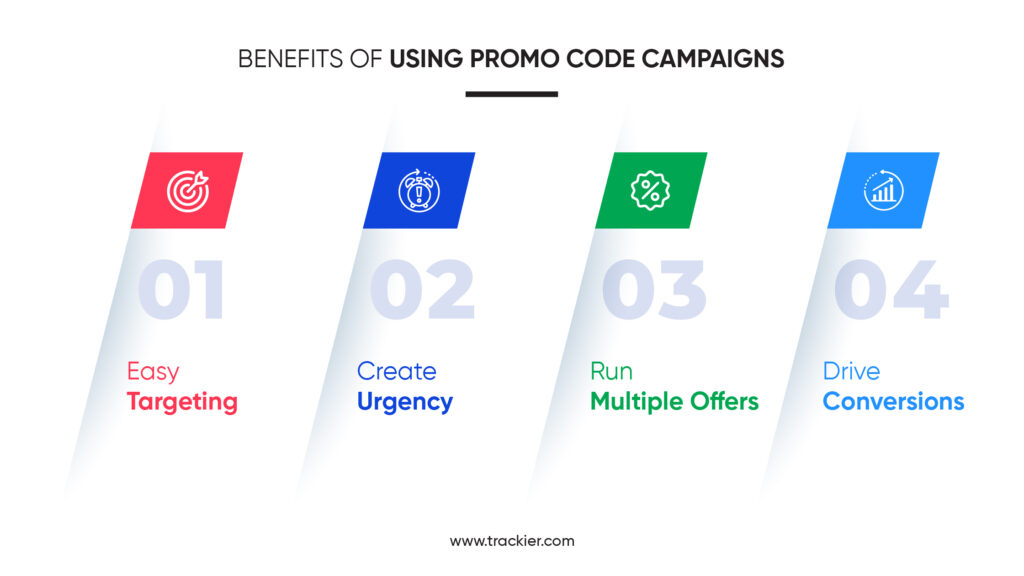
It is important that promo codes are time-limited or supply-limited. If a coupon code is always available, customers feel no urgency. Without urgency, there is no strong motivation to take action.
How Does a Promo Code Work?
After understanding what is promo code, the next step is learning how it actually works in real marketing scenarios. Promo codes can be used in multiple ways to highlight your most important offers. They can appear:
- On homepage banners
- In header or footer sections
- On product pages
- In email marketing campaigns
- Across different stages of the user journey
Promo codes can support every stage of your marketing funnel, from awareness to conversion and retention. Once you understand what is promo code in a marketing context, you can position it strategically instead of treating it as just a discount tool
1. Set Smart Targets Using Customer Behaviour
Use customer behavior metrics and segmentation before launching your promo code campaign.
For example, you can allow promo code usage only after customers reach a certain cart value. This encourages them to add more products and increases average order value (AOV).
However, setting unrealistic spending goals can backfire. The difference between increasing AOV and losing sales is small. Use analytics to find the right balance based on customer spending patterns.
2. Target the Right Customers with Personalized Offers
Many marketers still overlook personalization and segmentation. Using email marketing automation tools, you can segment customers based on:
- Demographics
- Geography
- Transaction history
- Purchase behavior
Once segmented, you can send tailored promo codes.
For example, customers celebrating birthdays can receive a special discount code. You can also analyze past purchases and offer promo codes on related items to encourage upselling and cross-selling.
3. Use Expiration Dates to Create Urgency
Customers don’t want to miss out on a good deal. You should use the right time to persuade clients to take shortcuts in their decision-making and act on impulse. To generate a sense of urgency, use words like “Today Only!” or “Expires Tomorrow.” You may also include a countdown to your promo code so that buyers know how much time they have left.
4. Timing Matters When Sending Promo Codes
It’s all about the timing! Sending the right offer at the right time is crucial. During slow seasons, discount-based promo codes can increase demand. During holidays or peak periods, strategic offers can help you stand out from competitors. You can also set up automated triggers. For example:
- Cart abandonment emails with a promo code
- Welcome discounts for new subscribers
- Re-engagement codes for inactive customers
These automated workflows ensure your promo codes reach customers when they are most likely to convert.
5. Use Promo Codes to Attract New Customers
Promo codes can be highly effective in promoting new customers, along with building the email list, apart from retaining existing clients and compelling return business.
You can encourage referrals by offering promo codes when customers invite friends. You can also provide first-purchase discounts to new email subscribers to reduce friction and motivate action. This helps grow your email list and increase new customer conversions. This helps grow your email list and increase new customer conversions.
6. Send the Right Type of Offer
We’ve discussed above how to send the right promo code to the right customer at the right time. However, we haven’t yet talked about the right kind of offer. As a marketer, you should be aware that though all clients like discounts, some love free delivery or other things.
Experiment with various types of offers to see which one resonates best with your target audience. The result should be enough to determine the right next step.
Promo codes that offer discounts or freebies to clients are not always likely to convert into sales or even purchases. You have to strategize your promo code just as you would with any other marketing strategy. Remember, promo codes are part of your overall marketing strategy. They require planning, testing, and performance tracking to drive meaningful results.
Conclusion
Understanding what is promo code is just the beginning. Success comes from delivering the right offer to the right customer at the right time.
By analyzing customer behavior, setting clear limitations, and using segmentation, brands can reduce acquisition costs, increase customer lifetime value, and improve overall customer experience.
With proper tracking and analytics tools in place, businesses can monitor promo code performance in detail and continuously optimize campaigns for better results.
FAQs
What is promo code in marketing?
A promo code in marketing is a digital code customers enter during checkout to receive a discount or special offer. Businesses use promo codes to drive sales, increase average order value, attract new customers, and encourage repeat purchases. They are commonly distributed through email, ads, and social media campaigns.
How do promo codes increase average order value?
After understanding what is promo code, the next question is how it impacts average order value. Promo codes often require a minimum purchase amount before they can be applied. This encourages customers to add more products to their cart to qualify for the discount. As a result, businesses increase their average order value while still providing an incentive to complete the purchase.
Are promo codes effective for customer acquisition?
Yes. Promo codes reduce purchase hesitation for first-time buyers. Offering a welcome discount or referral-based promo code can encourage new customers to try your products or services. When used strategically, promo codes help lower customer acquisition costs.
Should promo codes always have an expiry date?
Yes, in most cases. Expiry dates create urgency and prevent customers from postponing purchases. Limited-time offers increase conversion rates because customers feel they might miss out. Without expiration, promo codes lose their effectiveness over time.