Partner relationship management (PRM) has become a strategic priority for brands looking to scale through indirect channels. The global PRM market is valued at roughly USD 106.47 billion in 2025 and is expected to reach USD 226.51 billion by 2030, and provides brands the ability to enhance their partner collaboration via automation and performance data.
It has been common for customer management systems (CRM) to build the foundation for all customer relationships, whereas PRMs strengthen entire partner ecosystems through real-time engagement, performance measurement, and establishing incentive structures.
Trackier’s performance marketing software offers businesses the necessary tools to fully automate their partner-attribution activities and reduce potential instances of fraud, ultimately helping to drive partner-led increases in revenue and provide the ability to increase return on investment (ROI).
What is Partner Relationship Management?
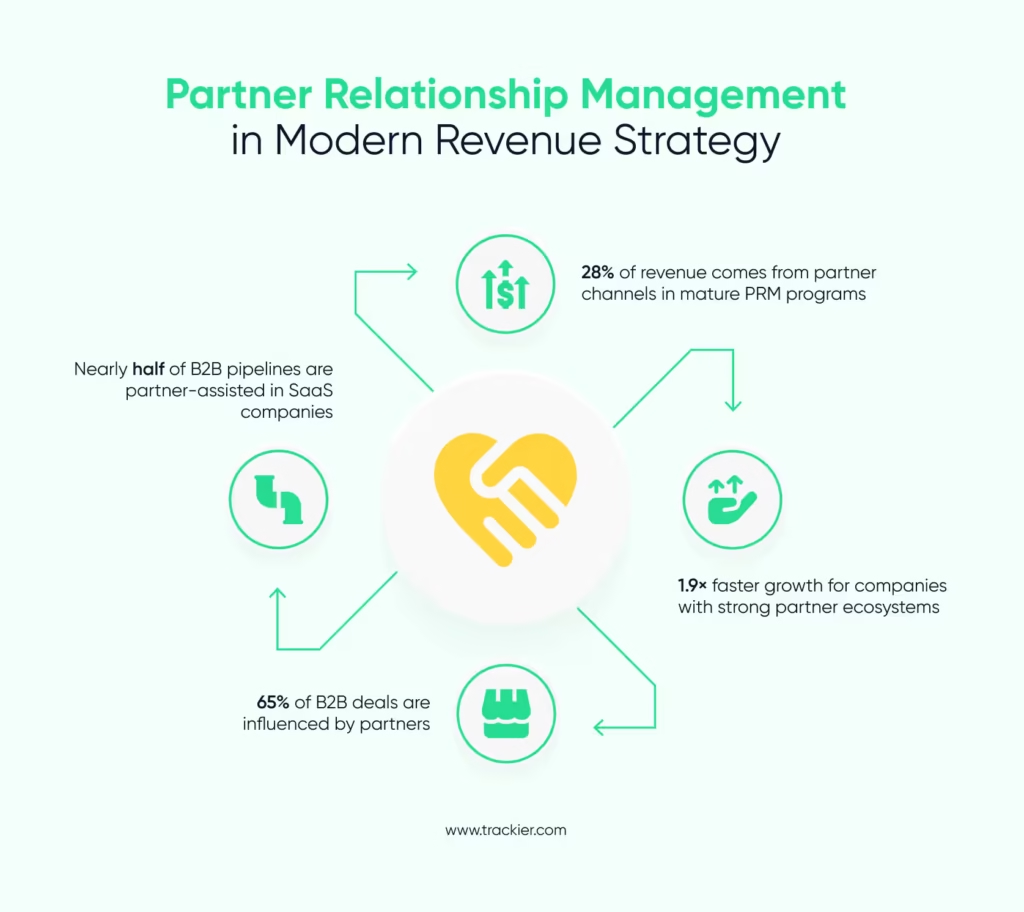
Partner relationship management system is a strategic framework and set of practices that businesses use to manage, streamline, and strengthen their relationships with external partners such as resellers, distributors, referral partners, and other channel collaborators.
PRM combines strategy, processes, and technology to create a structured approach for engaging partners, facilitating communication, and driving mutual success.
Unlike customer relationship management (CRM), which focuses on direct interactions with customers, PRM focuses on optimizing interactions with partner organizations that help sell or support a company’s products and services.
Partner relationship management systems are typically web- or cloud-based platforms that include features like partner portals, lead tracking, training and certification tools, performance dashboards, and automated workflows.
You can think of them as a centralized hub where partners can access resources, register deals, track opportunities, and collaborate more effectively.
Why is PRM Important?
Partner relationship management isn’t just a buzzword; it’s a business necessity in today’s increasingly interconnected and competitive market.
As companies expand their ecosystems with resellers, distributors, affiliates, technology partners, and strategic alliances, effectively managing those relationships becomes a direct driver of growth, efficiency, and revenue.
PRM systems help businesses streamline operations, improve partner collaboration, and unlock value that would otherwise be difficult to capture without structured tools and strategies.
1. Rapid Market Growth Signals Strategic Importance
The global PRM market is expanding rapidly, reflecting the increasing reliance on partner-centric sales and go-to-market strategies.
In 2025, the global PRM industry is projected to be valued at over $106 billion and is forecasted to reach about $424.8 billion by 2034, growing at a strong 16.6 % CAGR over the decade. This growth underscores how businesses are prioritizing partner networks and digital tools to manage them.
2. Drives Better Engagement and Performance
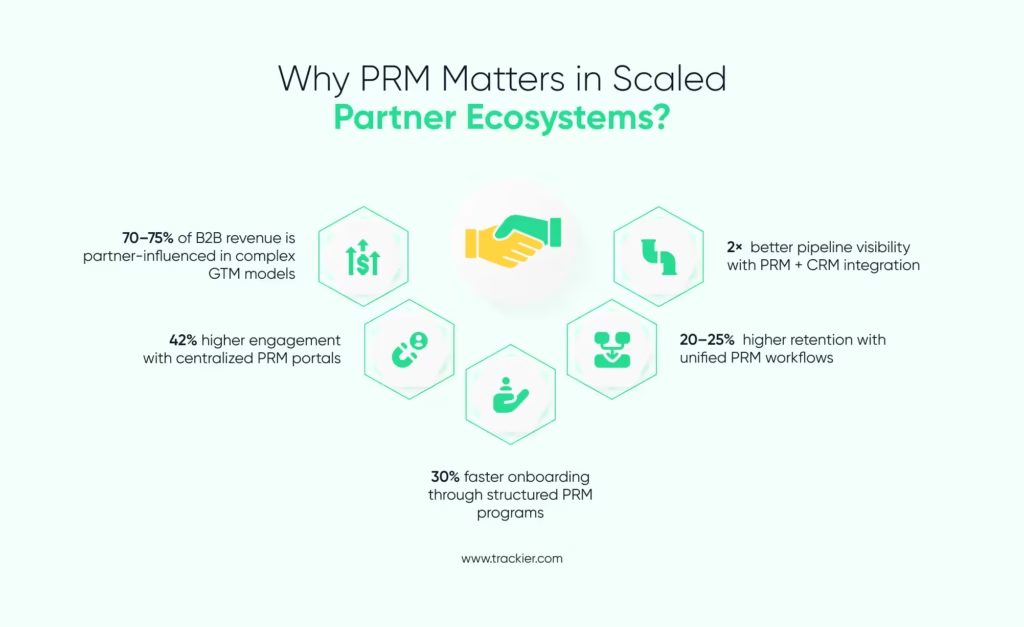
Implementing a solid PRM strategy has measurable operational benefits. Businesses that invest in partner enablement and structured engagement often see significant improvements in key performance areas, such as faster onboarding, clearer communication, and more predictable sales cycles.
Studies indicate that portals and united partner systems can boost partner engagement significantly, sometimes by more than 40%, and contribute to improved performance across the partner ecosystem.
3. Supports Digital Transformation and Scalability
With digital transformation accelerating everywhere, PRM helps organizations manage partner ecosystems regardless of size or geography.
Cloud-based PRM solutions, adopted by a growing number of companies worldwide, enable real-time collaboration, scalable training, shared resource libraries, and automated workflows that traditional methods simply can’t match. As partner ecosystems become increasingly global, eSIM technology can help businesses maintain seamless mobile connectivity for remote teams, partner managers, and employees traveling across multiple markets.
They also integrate with CRM, ERP, and marketing tools to remove silos and create a more coherent partner experience.
4. Improves Partner Satisfaction and Retention
Strong RP systems don’t just help your business, they help your partners succeed. With centralized portals for training, deal registration, resources, and performance feedback, partners work more effectively and feel more supported.
This boosts loyalty and retention, as partners are more likely to stay aligned with companies that make it easier to do business together.
5. Facilitates Data-Driven Decision Making
Modern PRM platforms embed analytics and automated performance tracking. These capabilities offer insights into partner performance, lead conversions, and engagement trends, allowing companies to refine strategies in real-time and allocate resources where they’ll have the most impact.
With insights from data, businesses can identify high-performing partners and strengthen underperforming relationships.
Core Components of an Effective PRM Strategy
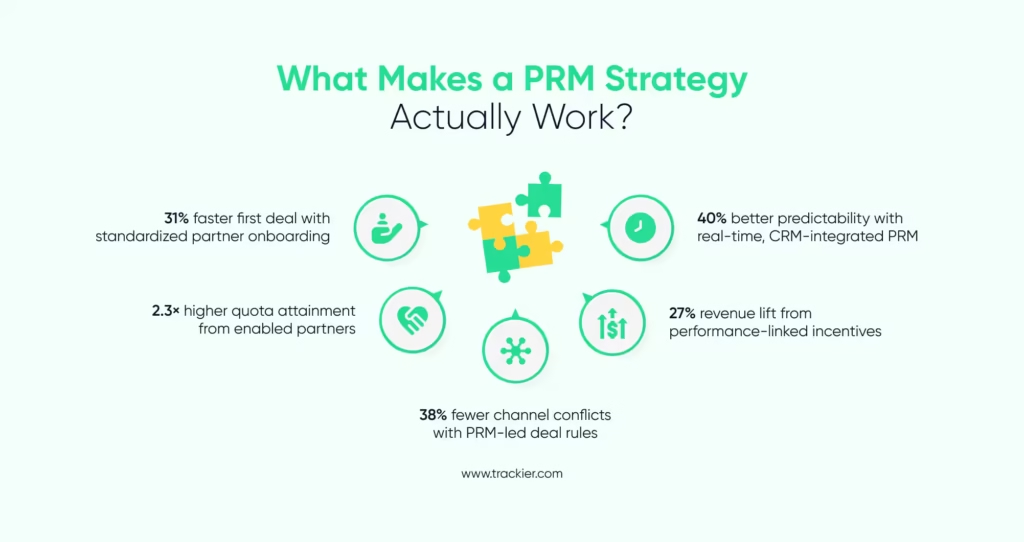
Partner relationship management software is not enough; you should have an effective PRM strategy that supports, enables, and motivates partners so that both your business and your partners succeed together.
Here are the key components that make a PRM strategy truly effective:
1. Partner Recruitment and Onboarding
Bringing the right partners into your ecosystem is the foundation of successful PRM. This component includes identifying potential partners, evaluating their fit with your business goals, and enrolling them in the program.
Structured onboarding, with clear processes, documentation, and initial training, helps partners start contributing faster and with confidence.
2. Training and Enablement
Once partners are onboarded, they need to be enabled to sell, support, and represent your products or services effectively.
This includes product training, market positioning guidance, sales technique modules, certifications, and ongoing learning resources. Well-structured training improves partner competence and alignment with your brand standards.
3. Communication and Collaboration Tools
Clear, consistent communication is critical in maintaining trust and alignment. Modern PRM strategies include centralized communication channels, shared dashboards, messaging tools, and partner portals that facilitate transparent information exchange.
These tools ensure both sides stay informed about goals, updates, campaigns, and expectations.
4. Incentives and Rewards Programs
Motivation matters. To encourage partners to perform at their best, PRM strategies include tiered rewards, commissions, bonuses, rebates, and incentive structures aligned with business goals.
These programs not only motivate partners but also help retain high-performing ones and align their efforts with your growth objectives.
5. Lead and Deal Management
A key purpose of PRM is to streamline how partners receive and act on sales opportunities.
This involves lead distribution workflows, deal registration systems, conflict management protocols, and tracking tools so that partners can close deals efficiently while avoiding confusion or disputes.
6. Performance Monitoring and Analytics
Effective PRM isn’t guesswork; it’s data-driven. PRM systems track metrics such as partner sales performance, revenue contribution, lead conversion rates, engagement levels, and training progress.
Analytics help you identify high performers, spot issues early, and optimize strategy based on real insights.
7. Technology and Integration
A comprehensive PRM strategy leverages technology that brings all of the above components together. This includes partner portals, automated workflows, CRM integration, content management systems, and analytics dashboards.
The right tech stack enables scalability, reduces manual work, and creates a seamless partner experience.
How to Implement a PRM System Successfully?
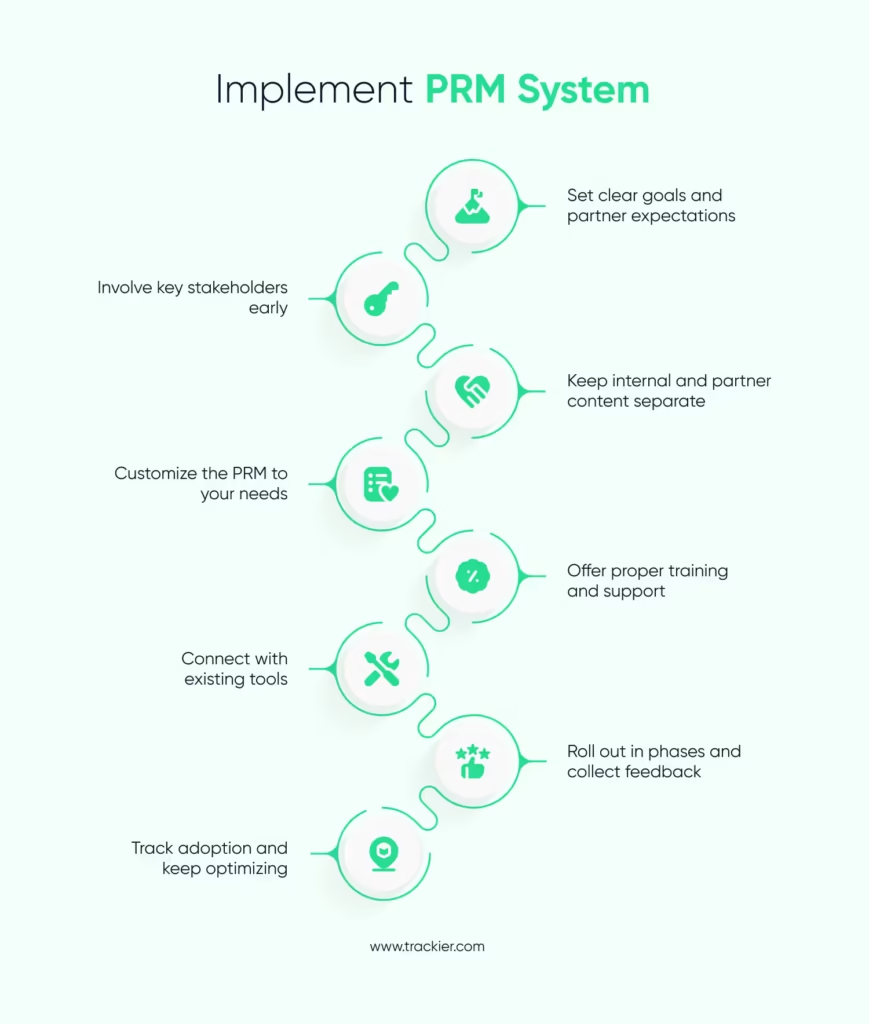
Implementing a PRM system effectively can transform how your business collaborates with partners, but it requires more than just buying partner relationship management software.
A successful PRM rollout involves strategic planning, clear goals, stakeholder engagement, and ongoing optimization. Here’s a practical step-by-step guide to help you implement a PRM system that actually delivers value:
1. Define Clear Goals and Partner Needs
Before anything technical, start by establishing what you want the PRM system to achieve. Define measurable objectives, such as improving partner engagement, shortening onboarding time, or increasing partner-generated revenue.
Also, identify what resources partners need access to and what should remain internal. Planning this early prevents confusion later.
2. Engage Key Stakeholders Early
A successful implementation relies on buy-in from both internal teams (like sales, partnerships, and IT) and partners themselves.
Involve teams from the start so they understand the system’s purpose and can provide input on workflows, tools, and priorities. This boosts adoption and ownership.
3. Separate Internal and Partner Content
One common mistake is mixing internal and partner content. Structure your PRM so that partners only see approved and relevant materials, while internal documents remain secure. This clarity avoids risk and confusion and helps maintain trust with your ecosystem.
4. Configure the PRM Platform Based on Needs
Set up the system to reflect your business processes, including partner roles, access levels, deal registration workflows, content libraries, and self-service tools.
Prioritize self-service access, where partners can independently find resources, register deals, or access updates without manual support.
5. Provide Training and Support
A PRM system is only effective if users, internal teams, and partners know how to use it. Invest in comprehensive onboarding sessions, customized training programs, help resources, and ongoing support so every partner can use the system with confidence.
6. Integrate with Existing Systems
To streamline workflows and avoid data silos, your PRM should integrate with key systems like CRM, ERP, accounting, and communication tools. This ensures unified information flow across departments and reduces manual work.
7. Launch in Phases and Collect Feedback
Instead of a big-bang launch, consider a phased rollout, first with a pilot group to test real-world usage, then broader deployment.
Establish feedback loops where partners can share what’s working and what isn’t, which helps refine your approach before full adoption.
8. Measure Usage and Optimize Continuously
Track how partners use the system, such as what resources they access most, how often they log in, or which workflows are underutilized.
This quantitative insight helps you improve content, remove roadblocks, and tailor the system to real partner needs.
Measuring PRM Success with Trackier
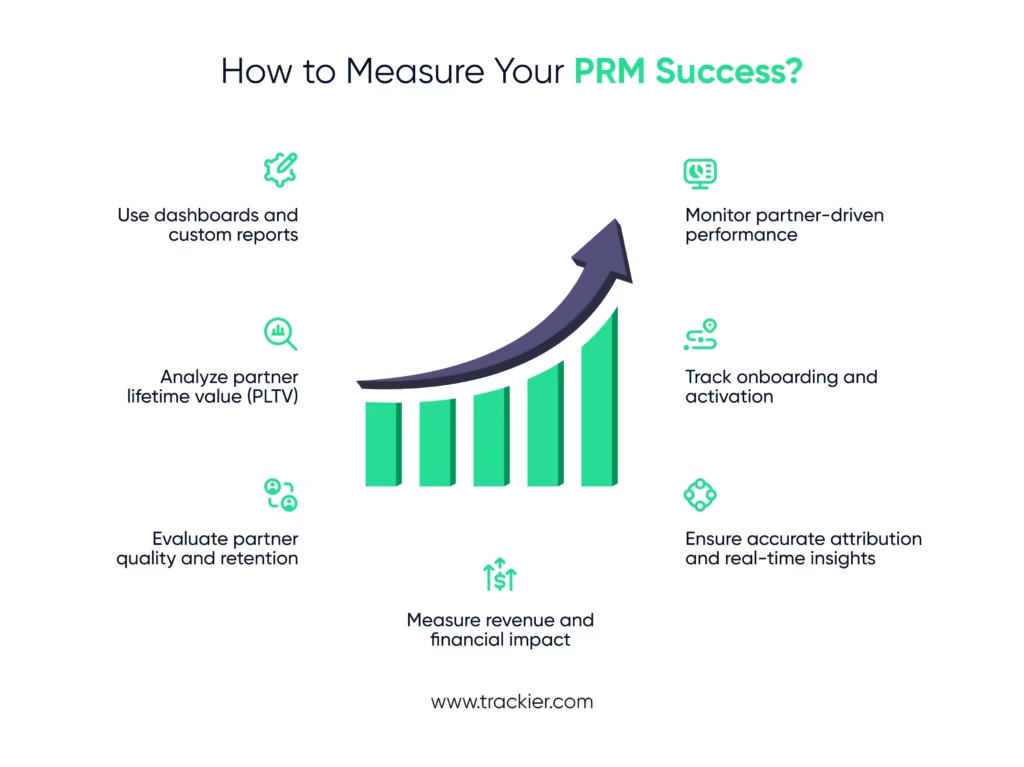
Measuring the success of your partner relationship management strategy is essential to understand what is working, what isn’t, and how your partner ecosystem contributes to overall business growth.
When you use Trackier, you get comprehensive insights to monitor partner performance and optimize relationships in real-time.
1. Track Partner-Driven Performance Metrics
Using Trackier’s analytics and reporting capabilities, you can measure core partner success metrics, such as:
- Conversions, or sales attributed to each partner
- Conversion rates for partner-generated traffic
- Revenue generated through partner efforts
2. Onboarding and Activation Metrics
A strong PRM strategy goes beyond transactions; it includes how effectively partners are onboarded and engaged. With Trackier, you can monitor:
- Number of new partners enrolled
- Time to partner activation (how quickly partners start generating outcomes)
- Partner engagement and activity levels
3. Attribution Accuracy and Real-Time Reporting
Trackier offers comprehensive attribution and reporting tools that let you see how partner contributions translate into results in near real-time.
You can filter performance data by partner, campaign, device, region, and more, providing you with a clear view of which partners and channels are most effective in delivering results.
4. Revenue and Financial KPIs
Revenue-related KPIs are crucial for PRM success. With Trackier, you can assess:
- Partner-attributed revenue
- Commission vs. revenue ratios
- ROI of partner campaigns
5. Partner Retention and Quality Metrics
Beyond success numbers, measuring the quality and longevity of partner relationships matters. Key indicators include:
- Partner churn rates
- Partner retention over time
- Quality of partner traffic
6. Partner Lifetime Value (PLTV)
Modern PRM measurement shifts towards long-term value. Instead of just counting conversions or clicks, tracking partner lifetime value reveals how much value a partner contributes throughout their entire relationship, including repeat business and downstream impact.
This metric helps you invest in partners who deliver sustainable growth, not just short-term gains.
7. Dashboard Analytics and Custom Reports
Trackier’s dashboards let you create custom views and reports tailored to your PRM goals.
Whether you want partner-level breakdowns, trend analyses, or cross-campaign comparisons, you get the visibility you need to quickly interpret performance and act on insights.
Conclusion
Partner relationship management is no longer optional for businesses that rely on partnerships to scale. A strong PRM strategy helps you build transparent, data-driven, and high-performing partner ecosystems, where every partner’s effort is tracked, optimized, and rewarded fairly.
With Trackier, you can go beyond basic partner management and gain real-time visibility into partner performance, attribution accuracy, revenue impact, and long-term value.
Whether you work with affiliates, influencers, or strategic partners, Trackier gives you the tools to measure what truly matters and grow with confidence. If partnerships are a key part of your growth strategy, it’s time to move beyond manual processes and limited visibility.
Ready to turn partnerships into a scalable growth channel? Book a demo and see how smarter tracking can transform your PRM strategy.
FAQs
1. What is PRM vs CRM?
PRM (Partner Relationship Management) focuses on managing relationships with external partners like affiliates, resellers, and distributors. CRM (Customer Relationship Management) is designed to manage direct relationships with customers. PRM helps scale indirect sales, while CRM supports direct sales and customer engagement.
2. What challenges might brands face when implementing PRM?
Brands may face challenges such as low partner adoption, integration issues with existing systems, unclear partner roles, and a lack of internal alignment. Without proper onboarding, training, and communication, partners may not fully use the PRM system, limiting its effectiveness.
3. What benefits can businesses expect from PRM?
PRM helps businesses improve partner engagement, streamline onboarding, track partner performance, and increase revenue from indirect channels. It provides better visibility into partner activities, improves collaboration, and ensures partners have the tools and insights needed to perform effectively.
4. How is PRM different from CRM?
CRM is built to manage customer data, sales pipelines, and customer interactions for internal teams. PRM, on the other hand, is designed for external partners, offering tools like partner portals, deal registration, training, and performance tracking to support partner-led growth.
5. Why do companies use PRM systems?
Companies use PRM systems to efficiently manage large partner ecosystems, automate partner workflows, improve communication, and track performance. PRM systems help businesses scale faster, reduce manual effort, and ensure partners stay aligned with business goals and revenue targets.