
Affiliate onboarding is the first and most important step in building a strong, successful affiliate program. Today, affiliate marketing is a rapidly growing channel; the global industry is valued at around $22.5 billion in 2026, and more than 80 % of brands use affiliate programs as a key part of their marketing strategy.
But many businesses still treat onboarding as an afterthought. Without a smooth start, new affiliates often feel lost, don’t promote effectively, and eventually drop off, costing you time, money, and long-term growth.
That’s why structured affiliate onboarding matters.
A structured onboarding process can provide your new partners with an understanding of your brand, as well as provide them with training for the best ways to promote your product. In other words, if you give your new affiliates the best possible start in their promotion of your product, they will remain active and continue to generate revenue for your business longer.
To do this, Trackier provides comprehensive affiliate management and tracking solutions that can automate the onboarding process, monitor the performance of affiliates in real time, and provide support to your affiliates for all steps in the process.
In this article, we will explain what affiliate onboarding is, provide an affiliate onboarding checklist, and highlight five features that can positively impact your affiliate onboarding process by improving both the quality of the experience and effectiveness.
What Is Affiliate Onboarding?
Affiliate onboarding is the process of introducing new affiliates to your affiliate program and lining them up to begin advertising your products or services. From the moment an affiliate signs up until key points in events like their first conversion, an effective affiliate onboarding incorporates communication, direction, and support.
It is a crucial component of each affiliate program. Affiliates’ capacity to successfully market your brand and refer paying clients will be determined by how you onboard them.
In addition, affiliate onboarding is important for the growth of your affiliate program overall. This is especially true for affiliate retention and will have an influence on affiliate income. You are likely to see results when more affiliates actively advertise your business.
A Checklist For Affiliate Onboarding
Make a list of all the things you want affiliates to learn or do during the onboarding process and use it as a checklist. Everything from a welcome email for affiliates to information regarding affiliate websites, affiliate management, or other initiatives to assist in educating affiliates about the specifics of your program should be included.
The following should be on your list:
- The schedule for commissions and the payouts
- The responsibilities given to the affiliates
- Affiliates’ earning potential for incentives and bonuses
- Your contact details in case they have any inquiries or problems
- Assuring affiliates have access to the newest advertising materials
- Describing cookie length, the duration of time between a click and a conversion
- Simple access to your affiliate program’s terms of service.
5 Features to Streamline Affiliate Onboarding
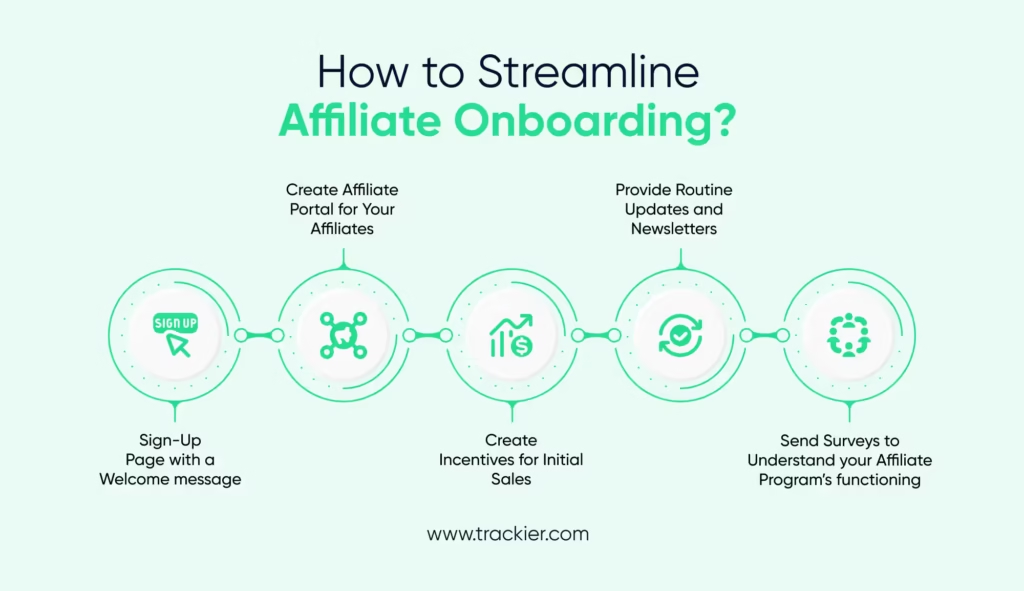
To make affiliate onboarding faster and more effective, focus on features that reduce friction and help partners to promote quickly.
These include automated welcome flows and forms, centralized affiliate portals with real-time data, built-in incentives and communications, training and resources, and feedback loops to refine your process. Together, they help affiliates get started productively and feel supported from day one.
1. Sign-Up Page with a Welcome message
Sign-up pages may be used to handle new affiliate registrations for your affiliate program. Along with the affiliate’s primary contact information, it can also list the campaigns it is mostly focused on.
Post-Sign-up, an affiliate will get a welcome email with their referral link and temporary password. You may also write a custom welcome message, which will be displayed when affiliates check in on the affiliate dashboard.
In addition to extending a warm welcome, this is an excellent time to communicate the key program specifics.
This may consist of
- This may consist of information on login
- Affiliate Links for your brand
- Affiliate Commission Structures
- Information on Payouts
2. Create an Affiliate Portal for your Affiliates
A resourceful Affiliate Portal is a must for your affiliate onboarding process. Through affiliate portals, your affiliates can get access to all the data they require to run campaigns for your program successfully. Learn to manage your affiliate campaigns with our resourceful blogs.
It can additionally be used for:
- View their account manager’s contact details or send an email to them
- Update their billing details
- Explore the resources and campaigns that are available.
- Get complete access to the API library, including reporting and campaign information
- Check the status of bills and earned commissions.
- Sign up for your newsletters
- Reset their password or update their contact details
- View the terms and conditions documents
3. Create Incentives for Initial Sales
Create a bonus or commission-boosting incentive scheme that offers affiliates the chance to generate conversions within the first 30 days of joining your program or so.
Incentives offer encouragement to affiliates to join your program and promote your business. Incentives offer encouragement to affiliates to join your program and promote your business.
Ideas for incentive plans might include:
- Establishing a tier-based compensation system so that affiliates can earn more commissions at various tiers
- Providing two incentives: a commission for affiliates and a discount for customers
- Offering a fixed dollar incentive for achieving a sales goal within a predetermined timeframe
4. Provide Routine Updates and Newsletters
The main goal of affiliate onboarding is to set up affiliates for success. This involves regularly checking in to make sure they have all they require. Check for emails, product updates, upcoming deals, media mentions, and any extra offers every month or at dedicated intervals.
Additionally, this is a perfect opportunity to let affiliates choose whether or not they want to meet you individually. Although the welcome message can contain all the essential information, there is probably still a lot you can inform affiliates to get them rolling.
In the first few weeks, set up drip campaigns to deliver emails and newsletters to your affiliates. The campaign’s primary goal should be strategy and ease of understanding.
This may include:
- Understanding of goods and services
- Glossary of essential keywords
- Promotional items and branding kits
- Examples of more affiliate campaigns and promotions
- List of blogs on affiliate marketing
You may also create customized email triggers with different messages and set them up for various events.
- Conversion generated: Whenever a conversion is produced, this event is triggered.
- Payment Created: When an affiliate’s account is settled.
- Commission established: When a commission is created, this event is triggered. This may be the outcome of a conversion, a commission added using the API, an automated recurring commission, etc.
- Commission updated: When a commission is rejected or revised, this event is triggered.
5. Send Surveys to Understand your Affiliate Program’s functioning
It’s crucial to analyze the performance of your affiliate program and find areas that need improvement. After an affiliate has successfully finished the onboarding process and received their first conversion or commission check, you ought to send them a survey.
The registration and onboarding processes should be the main emphasis of this survey. You may add the following questions to your survey:
- How hard was it to register in the affiliate program?
- How effective was the provided training?
- What part of the program has proven to be the most difficult?
- How can the affiliate program improve the workflow?
- What measures were taken by the program to improve the process of onboarding?
Final Thoughts
Affiliate onboarding isn’t just another checklist; it’s the foundation that sets affiliates up for success, encourages engagement, and drives long-term growth. A smooth, thoughtful onboarding experience reduces confusion, accelerates productivity, and builds trust between you and your partners.
If you truly want to transform your affiliate program into a high-performing revenue strategy, adopting the right platform can make all the difference. With Trackier, you get a complete performance and affiliate marketing solution that automates onboarding, real-time tracking, partner management, and more, so you spend less time on manual tasks and more time growing your program.
Ready to see it in action? Book a demo to explore how streamlined onboarding and advanced tracking can elevate your affiliate strategy and boost results.
FAQs
1. Should I collect feedback after onboarding?
Yes. Sending surveys to new affiliates after they complete onboarding helps you learn what worked, what didn’t, and where improvements are needed, enabling continuous improvement in your onboarding process.
2. How do incentives fit into onboarding?
Incentives like bonuses for early conversions or tiered commission boosts motivate affiliates to take action sooner and maintain momentum. These reward structures encourage affiliates to hit key milestones early on.
3. Can onboarding improve affiliate retention?
Absolutely. Affiliates who receive personalized support, clear guidance, and regular communication are more likely to stay active and motivated over time, reducing churn and strengthening long-term performance.
4. Should onboarding include training materials?
Yes. Training materials such as tutorials, FAQs, product information, and promotional templates help affiliates understand your products and how to market them successfully, increasing their chances of making sales.
5. What tools can help with affiliate onboarding?
Affiliate management platforms like Trackier automate onboarding workflows, centralize resources, share links and commission info, manage payouts, and provide real-time tracking, making onboarding smoother and more organized for both brands and partners.